
Gods and Icons Now In Print
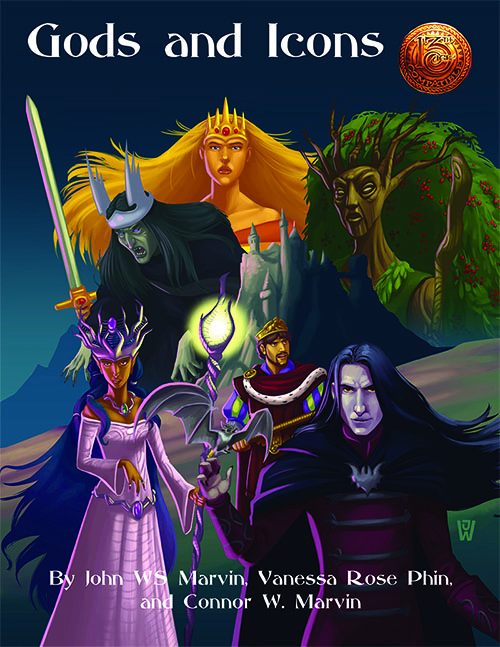
The print versions of Gods and Icons and the Gods and Icons Player's Companion are now available. We hope you enjoy them!

Gods and Icons Kickstarter Ends Well
All's well that ends well!
And we began well too, funding in seven hours!
We'll be posting updates on the Kickstarter Spotlight Page. Right now we're recovering and making plans to deliver the product. We'll be adding content for the 12 stretch goals and the 4 achievements that were unlocked by our backers.
Late Backers
For a limited time we'll be accepting PayPal for late backers. Only backer levels up to Beyond Epic will be available. (No playtest, no naming items/icons, no hardcover copies, and no add-ons.)
Email john@dreadunicorngames.com if you are interested in being a late backer.


5 Days
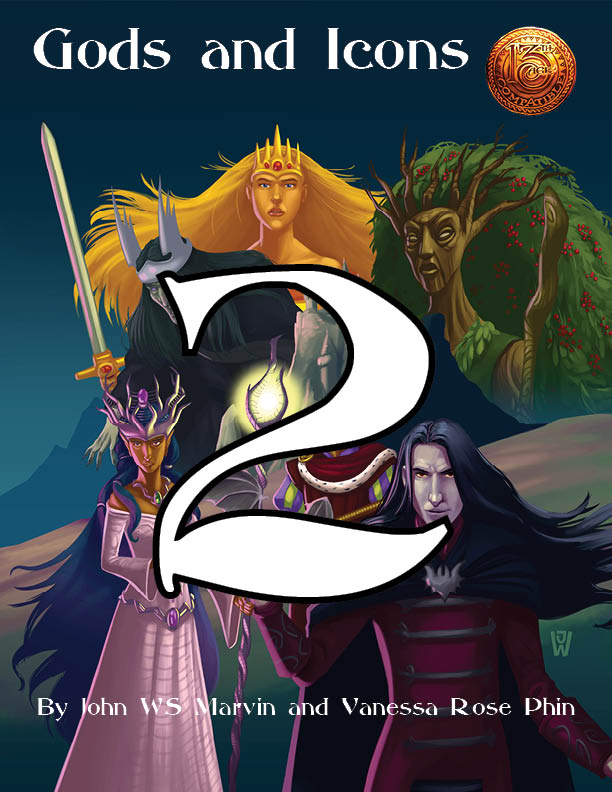
To twist the the words of David Bowie, "Five days, that's all we've got..." (OK, he wrote "Five Years," but time is relative, right?) But instead of counting down to the end of the world, we're counting down to the end of a Kickstarter.
Thanks to all our backers who made this such a fun and successful campaign. How many more stretch goals can we hit?

Spread the word! Please share this and retweet that. Thank you!
Game Master's Journey 99 - Stealing from 13th Age with John Marvin
Now you too can steal cool ideas from the 13th Age Roleplaying Game. Give it a listen!

What did you think? Did a miss a steal you think would be great?
Stealing from the 13th Age Roleplaying Game lets you also steal from Gods and Icons, Kickstarting now.
Go forth and steal!
Icons Icons? Gods and Icons Art Preview
I wanted some graphical symbols to represent my icons in Gods and Icons. You could say they are icon icons, but that way lies madness. I'll call them symbols. Doug Scott, who worked with us on The Sun Below: City on the Edge and The Sun Below: Sleeping Lady is working on the symbols. Here's a few examples of his work in progress:
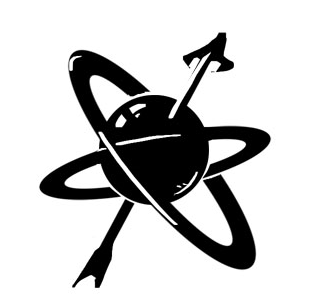
Thrice Wise Mercurius is the master of arcane magic, whose symbol is a stylized armillary sphere. Thrice Wise Mercurius is constantly searching for new magic and portents. He is a master alchemist and astrologer. When he supplies magic items, they are ornate, and covered in magical sigils. When he supplies information, it often comes in the form of a divination.
“The stars predict trouble ahead. To avoid it, look for the hidden entrance behind the stone fist.”
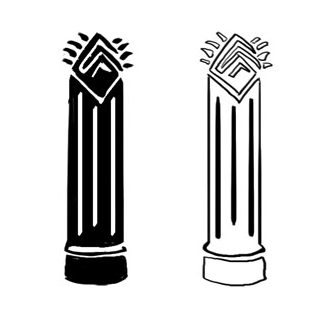
Hierophant Nephthys (HY-ro-fant NEF-tis) presides over the church of the Bright Gods, the official pantheon of the Espairian Empire. The church is bigger than just the empire, since the gods don’t stop at the border. She oversees a vast church bureaucracy. Temples must be built and maintained. The clergy needs to be trained and focused. The people depend on their church.
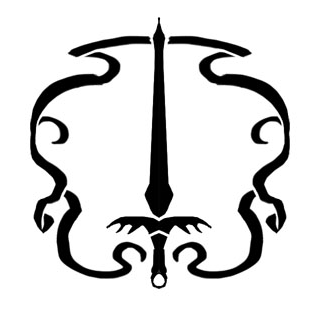
Emperor Roland the Unbreakable is a hard working emperor who sits at the top of the imperial apparatus of the Espairian Empire. His honor guard flies griffons into battle. He helps stamp out hell breaches into his lands. He funds the church and promotes trade.
On the other hand, he’s not much of a free thinker, and he’s got his eye on a number of lands outside the empire. He’d rather they joined the empire peacefully, but whatever it takes.
Gods and Icons is all coming together. It's exciting!
First Stretch Goal Hit
We've hit our first stretch goal in the Gods and Icons Kickstarter. Now on to more art!

Thank you to everyone who has backed this project. We really do have the best supporters.
Complication Preview
Complications Preview
From Gods and Icons:
When a player rolls a 5 on their icon relationship roll, they get a complication. Sure, the icon will help them out, but something else happens to make the story more interesting.
Here's an example from Gods and Icons. Instead of rolling dice, for this example we'll have you scan the tables and pick a fun complication.
The players are outside the Espairian Empire in the city state of Paxbellum (substitute place names from your own world). The drow paladin in the party rolls a 5 with his positive relationship with Tanadil, High Queen of the Fey (see her preview here, or substitute with an icon from your own world).
You're in town, not a dungeon, so you look at the social complications. You scan down and pick
A local power is opposed to the icon. Embarrass them at an upcoming social event. Sabotage the event.
That sounds fun. Who's opposed to Tanadil? You could pick King Thorbal of the dwarves, but you've been hinting that Emperor Roland wants to take the city state into his empire, so you pick locals working for the emperor.
You can down to the local power table, and pick a member of the ruling council. She's setting up the event to advance the emperor's agenda.
Then down to the event. You scan down this list and hit on a public feast, commoners invited.
So that's your complication, Tanadil wants the PC to disrupt a feast where the commoners are being fed by the largess of the emperor. Make the emperor's toadys look bad. You decide councilwoman Chale calls it the "Friendship Feast" and invites one of the emperor's numerous bastards to speak at it.
Now it's up to the PCs. Who doesn't want to make some lord high muckty-mucks look bad?
Dhampir Preview
Dhampir Preview
Gods and Icons includes a new race for the 13th Age Roleplaying game, the Dhampir.
The Dhampir is the child of a vampire and a human. Dhampir's are found in folklore of various Balkan cultures and in Romany culture. The etymology of the word dhampir comes from Albanian where it means "to drink with teeth." I'm not the first one to put them in a roleplaying game, for example you can find them in Pathfinder as a playable race and Nights Black Agents as NPCs.
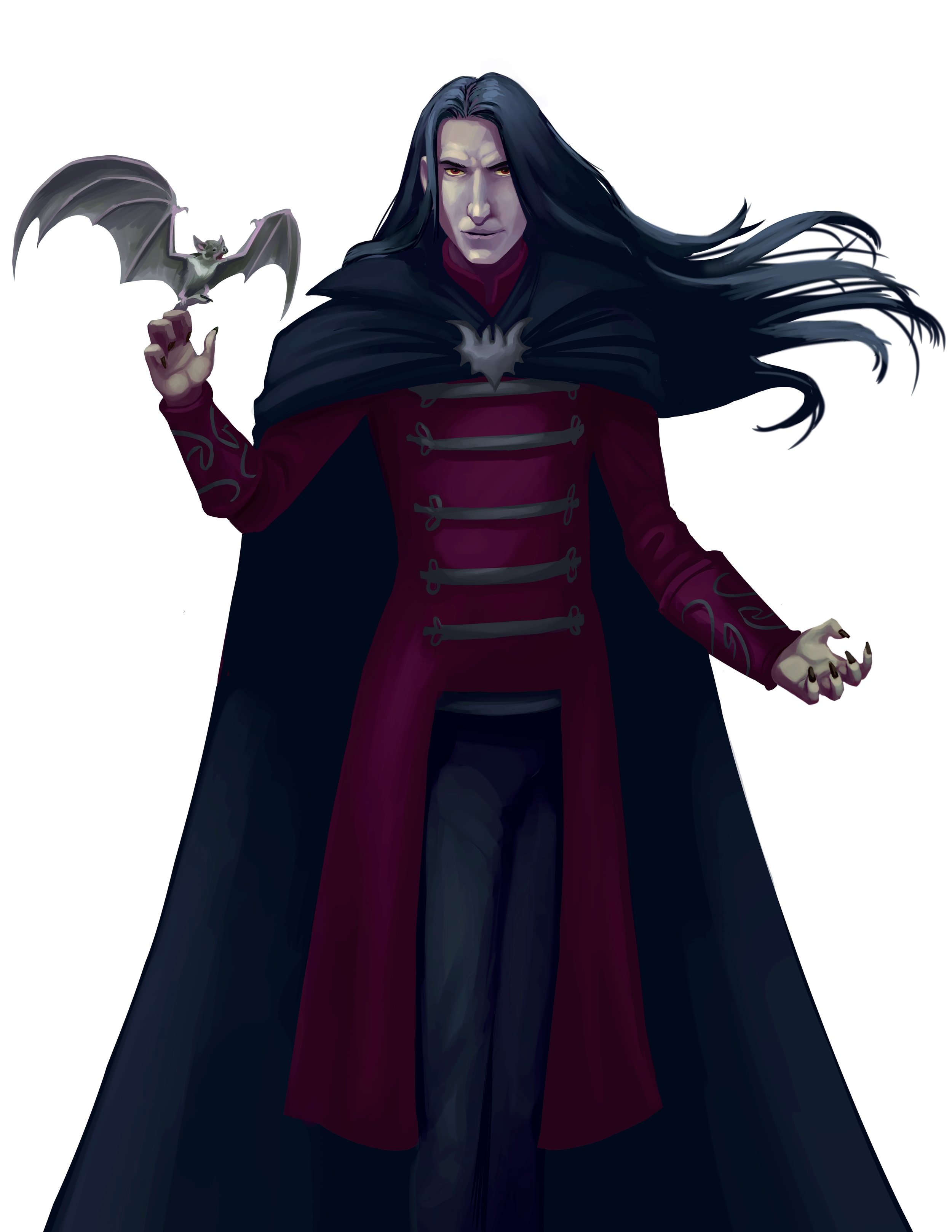 I chose to add dhampirs in order to highlight one of the new icons in Gods and Icons, Baron von Vorlatch. The baron is a vampire who rules the barony of Borgostnya*, a part of Emperor Roland's Espairian Empire. So, we have the largest human dominated culture including a barony controlled by an undead. Most dhampir player characters will have some icon relationship with the baron.
Gods and Icon's Dhampirs receive two racial powers: Regeneration and Identify Vampire.
* The Borgo part in the name Borgostnya comes from the Borgo Pass, famously used by Bram Stoker in Dracula. Borgo Pass was the Hungarian name. The modern Romanian name is the Tihuţa Pass.
You can stick Borgostnya in your own world in any big human empire or kingdom where want to add a little undead adventure and intrigue.
Holy Sword Preview
Holy sword preview, from Gods and Icons:
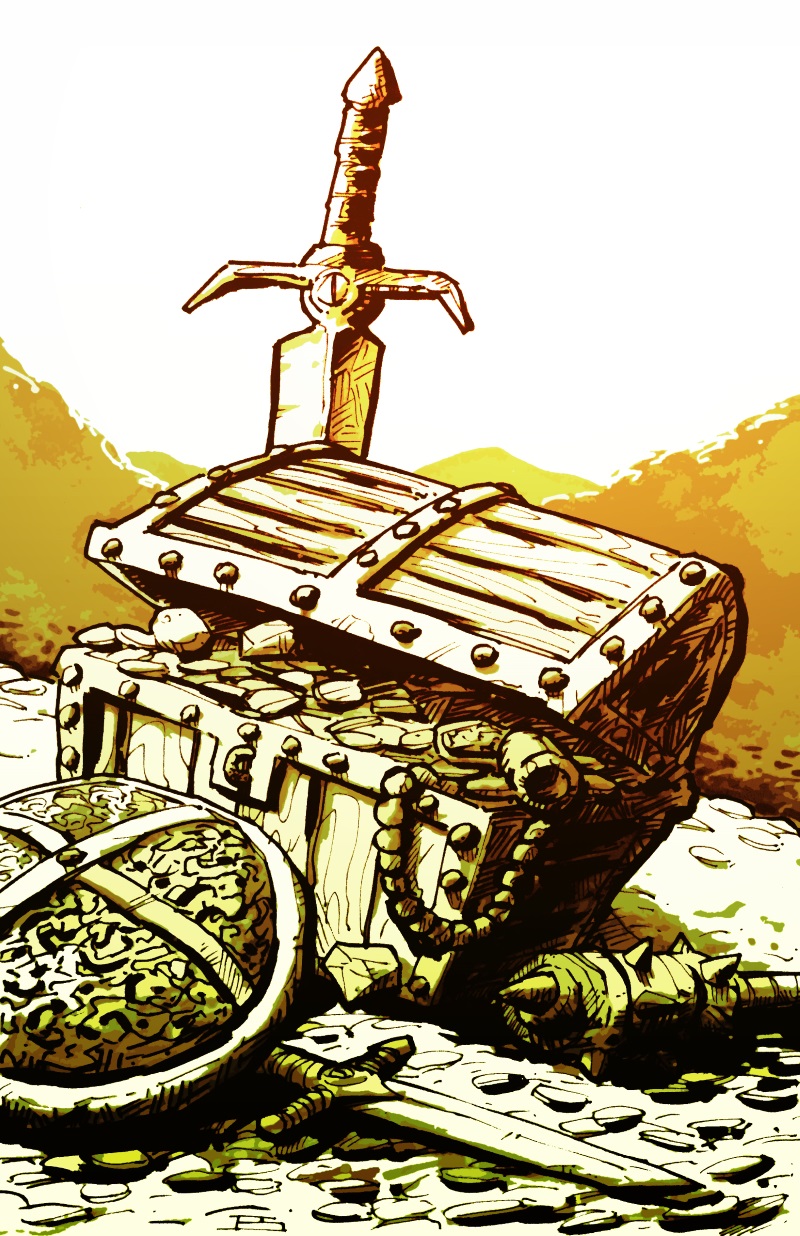
Weapon: Holy Sword of St. Cerni
St. Cerni was a martyr to one of the gods the character worships.
Always: Attack and damage when using this weapon: +1 (adventurer); +2 (champion); +3 (epic).
Optional: The saint was also the same race and gender as the character. In fact in tapestries and paintings, the saint looks exactly like the PC. As the campaign goes on, history is uncovered showing the character and the saint had the exact same tastes in food, art, romance, clothes, and anything else that can give a spooky link to the past. Are they the reincarnation of the saint?
The sword does extra damage to devils, demons, and undead. Adventurer: +1d6; Champion: +2d8; Epic: +4d10.
In the hands of a heroic paladin, the sword also has the power of protection:
Recharge 6+: When you make a basic attack with this weapon, gain a +4 bonus to all defenses until the end of your next turn (champion: +5; epic: +6).
In the hands of paladins who follow the way of evil bastards, the sword also has the power of being bloodthirsty:
When you crit with a natural 20 using this weapon, you deal crit damage instead of normal damage if you hit with this weapon again during your next turn.
Other saint names: Ali, Cainum, Celia, Deschutes, Gogglebog, Honeybuns, Silverius, Stark, Violet, Xena
Quirk: Laughs like a madman when facing devils, demons, or undead. Just like St. Cerni did just before she became a martyr.
Queen Tanadil Preview
Here's a little preview of a new icon from Gods and Icons:
Tanadil, High Queen of the Fey

Ambiguous Icon. Queen of High Elves, Wood Elves, Dark Elves, and Gnomes.
Overview
Queen of dark elves, high elves, wood elves, gnomes, and the forgeborn crafted by her gnome smiths, Tanadil makes ruling such a diverse group of peoples effortless. Like her ancestors, she’s tied to the natural world which she “improves” with magic. She has made waves with her recent (the last few centuries) embrace of gnomish technology married to elvish magic.
One result is the forgeborn, or gnome-forged, a race of clockwork people. Another result is magic is leaking into the world, making it ever more wild and unpredictable. Much like the queen.
Politics
For the queen, all politics is personal. Find out what a person wants and marry that to what the fey nation needs you create progress. She has scores of retainers that keep the nation going while the queen is elsewhere.
Organizations
The Queen’s Shadow is a group of mostly drow spies and assassins with a few half, high and wood elves as faces and infiltrators. They can call upon redcaps and other fey monsters when needed.
The Moonspinners are a group of casters who specialize in rituals that change the natural world in ways that appeal to the elves’ aesthetic.
The Silver Circle is a social and martial organization of drow. They create great works underground that rival the dwarves. They are not known for kindness or mercy. Many drow adventures hail from this circle.
The Circle of Light is a group of high elves. They include magicians of terrible power. More than a few have become adventurers.
The Gray Circle collects some of the most talented and powerful wood elves into an organization that keeps the queen’s forests secure. This is another organization that has spawned its share of adventurers.
Katalua: The Destroyer Preview
Here's a preview of Katalua: The Destroyer, one of the Bright Gods of Gods and Icons.

In Katalua is the destructive force of the end of life, unbinding the soul from the body. She is the goddess who unravels plans, creates new opportunities, and removes obstacles. Yet in her paradise of an afterlife, there is endless peace and joy. Her duality, then, is in struggle and rest. The Thirsty God Koatiri greatly influenced Katalua as she is worshipped today, from her imagery as the sun to her association with decay. She was originally a goddess of time, a compliment and lover to Perikalo, and some stories retain that relationship and its domain.
Iconography: Katalua’s color is yellow: her images are female likenesses carved in gold and bronze and oakheart. Her hair spreads out around her like sunrays. In her hands are a key and a sword.
13th Age and associated marks and logos are trademarks of Fire Opal Media Inc., and are used under license. See 13thAge.com for more information on the 13th Age Roleplaying Game. The 13th Age Roleplaying game is published under exclusive license to Pelgrane Press Ltd.
Gods and Icons Kickstarter Launch March 15th!
Kickstarting March 15!
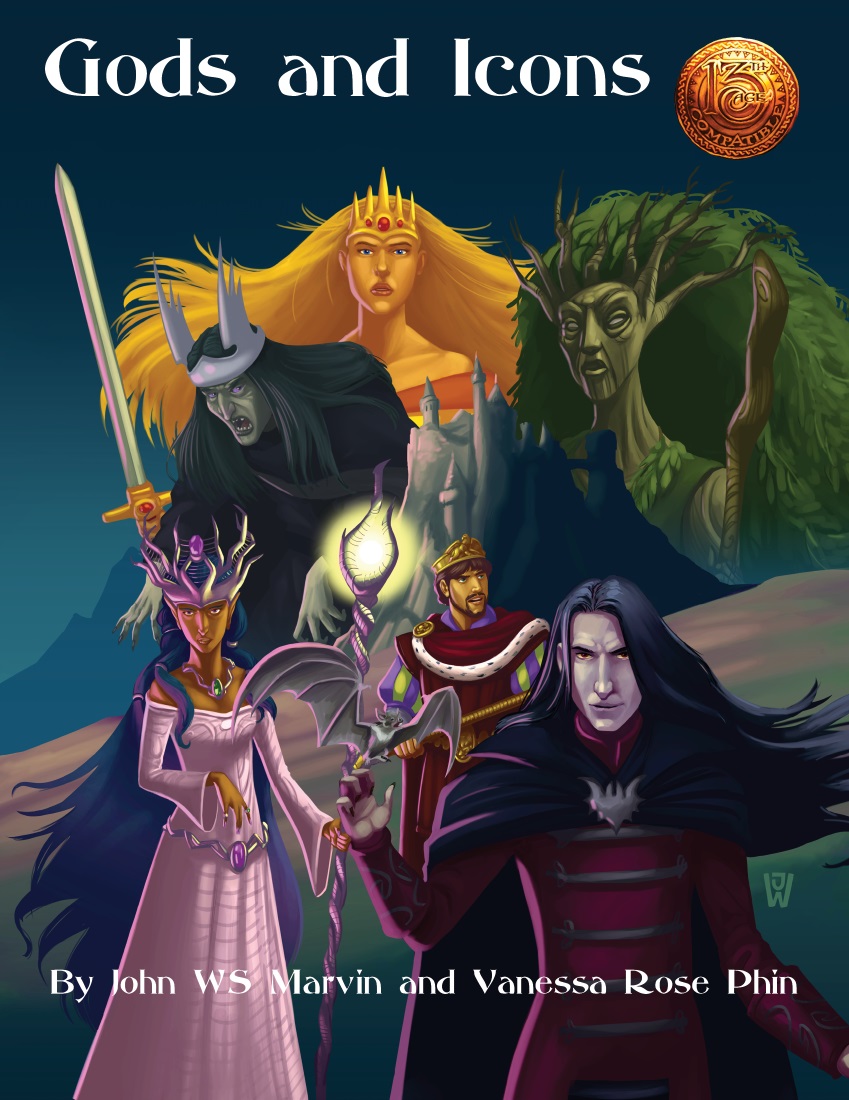 Gods and Icons is about to go live.
Compatible with the 13th Age Roleplaying Game and d20, Gods and Icons will help connect your players to your world through the use of icons.
Gods and Icons is about to go live.
Compatible with the 13th Age Roleplaying Game and d20, Gods and Icons will help connect your players to your world through the use of icons.
An exciting 13th Age Roleplaying Game supplement. 28 new gods and 13 new icons, use them all or steal what you want for your own. 24 new True Magic and 6 new Potions. Never again find yourself stuck for a good Icon Relationship result, we've got hundreds! Pick from the tables or let the dice decide.
Or better yet, let the dice suggest.

13th Age and associated marks and logos are trademarks of Fire Opal Media Inc., and are used under license. See 13thAge.com for more information on the 13th Age Roleplaying Game. The 13th Age Roleplaying game is published under exclusive license to Pelgrane Press Ltd.
Adding the Challenge Without the Slow
This is about speeding combat in 13th Age, but the general advice works in any rpg. In fact the math works great in most d20 games, from 3.0 to 5E. Here's the problem. You want to increase the challenge, so you add difficulty, but now your combats go on and on and on. What happened to those 20 minute combats you loved when you first found 13th Age?
To start off, look at Building Battles, page 186 in the Core book. If you follow the advice there, most of your battles will be quick. Great! But once your players start to master their characters, you'll find them too easy. Not great.
 So, you opt for a combat 1.5 times or 2 times as hard as a standard battle. That's easy, just add more monsters! And now your battles are more challenging. And long. Too long.
13 True Ways to the rescue! Check out Leveling Up a "Book" Monster and Customizing a DIY Monster on page 159 of 13 True Ways. We're going to combine these to up the challenge while making combats faster.
For each monster you add, you have to manage their position and tactics, roll to hit, track hit points, and so on. Players have yet another target to worry about.
So: Start with a balanced encounter, then up the Levels and apply the Offensive customization.
For example, let's add one level to each monster, and max out the offensive customization. I like the offensive customization to speed up play, as the players miss less, making combat faster. However, the monster misses less, increasing the challenge for the players.
- Attack Bonuses: +1 for level, +3 for offensive = +4! Yay monsters!
- Defenses: +1 for level, -3 for offensive = -2. Yay PCs!
- Hit Points: * 1.25. A bit of a buffer for all those extra hits the PCs will be doing.
- Damage: * 1.25. More hitting AND more damage.
- Specials: * 1.25. I apply this to initiative, since the PCs will hit more often, you don't want the monsters to go down without getting their licks in! (Exception: I don't do this for slow monsters, as being slow is part of their deal. So I might just skip this for the slowest monsters in the combat.)
 So let's apply this to a medium red dragon (is that a red dragon who tells fortunes?). They're on p. 220 of the Core book.
Changes:
- Level: 6th +1 = 7th level wrecker
- Attack Bonuses: +11 +4 = +15 for both the Fangs, Claws, and Tail and the Fiery Breath attacks. No more missing!
- Defenses: AC: 21 -2 = 19; PD: 20 -2 = 18; MD: 16 -2 = 14. 10% more hitable.
- Hit Points: 90 * 1.25 = 113.
- Damage: Fangs, claws & tail: 8 * 1.25 = 10 each; Fiery breath: 10 * 1.25 = 13 on 2d3 PCs.
- Initiative: +11 * 1.25 = +14.
- Resist Fire: 12+ * 1.25 = 15+
How's that? The challenge is upped, because this dragon will go near the top of the initiative order, hardly ever miss, and will do more damage. But the lower defenses will mean the dragon goes down faster, ending the combat in fewer rounds.
You can do this for all, or just some of the monsters in an encounter. Leveling up by itself without the offensive customization will be faster than adding monsters.
By choosing a creature like a dragon who attacks multiple times each round, the downside of the "glass cannon" effect you can get with the offensive build is minimized. Even if the dragon only lasts a few rounds, it's going to hit a lot of PCs for damage.
You can do with with the other creatures in the encounter. Perhaps your enhanced red dragon has some enhanced kobold dragon-souls (13th Age Bestiary, p. 125) as friends...
Fast AND Furious!