
Distractions, Obstacles, and Blowback
 I backed the Unknown Armies 3rd edition kickstarter (of course), but after a quick glace at the PDFs (cool!) I got busy and put them away. Then the hardback books arrived.
While I can't wait to play it, I don't have to wait to steal from it. Hoist the jolly roger and prepare to plunder Distractions, Obstacles, and Blowback.
I backed the Unknown Armies 3rd edition kickstarter (of course), but after a quick glace at the PDFs (cool!) I got busy and put them away. Then the hardback books arrived.
While I can't wait to play it, I don't have to wait to steal from it. Hoist the jolly roger and prepare to plunder Distractions, Obstacles, and Blowback.
Any RPG can use them. I'm running a Dracula Dossier campaign right now, and uses for these concepts in our campaign to fight Dracula, blow stuff up, and make the world safe for Malbec wineries just jumped out at me. "Use me now!" they said.
In between sessions the GM gets to scheme ways to thwart the player's plans. You can put them on note cards, and once the game starts, you have things to throw at your players. In this way they are similar to spotlight cards, only meaner.
Distractions
Distractions are aimed at a specific PC. They aim to pull the PC away from the main plot (and the group!) and into a sub-plot that ties in with what the character values. Background information is great fodder for distractions.
For example, a druid in a standard fantasy RPG is a protector of nature. You know the party is planning on raiding the Dread Tower to stop the local Necromancer from raising an undead army. But on the way, a sacred grove is under attack by woodcutters. A forest spirit calls out for help.
So what does the druid do? Leave the party? Convince the party to save the sacred grove, even if it means the Dread Tower will be that much harder? Leave the grove to die in order to fight a greater threat? Any choice is good, as it deepens the character. And any choice will lead to blowback.
I wouldn't use a distraction if it was likely to make the campaign fail or lose the fun-factor. In this example, druids aren't your undead fighting specialists, a delayed assault on the Dread Tower will be harder, but not impossible, and the destruction of a sacred grove is likely to prey on the druid's conscience but not deliver a fatal wound to the party.
Have a distraction or three ready for each PC. You don't have to use them, they'll be good in a future session.
Obstacles
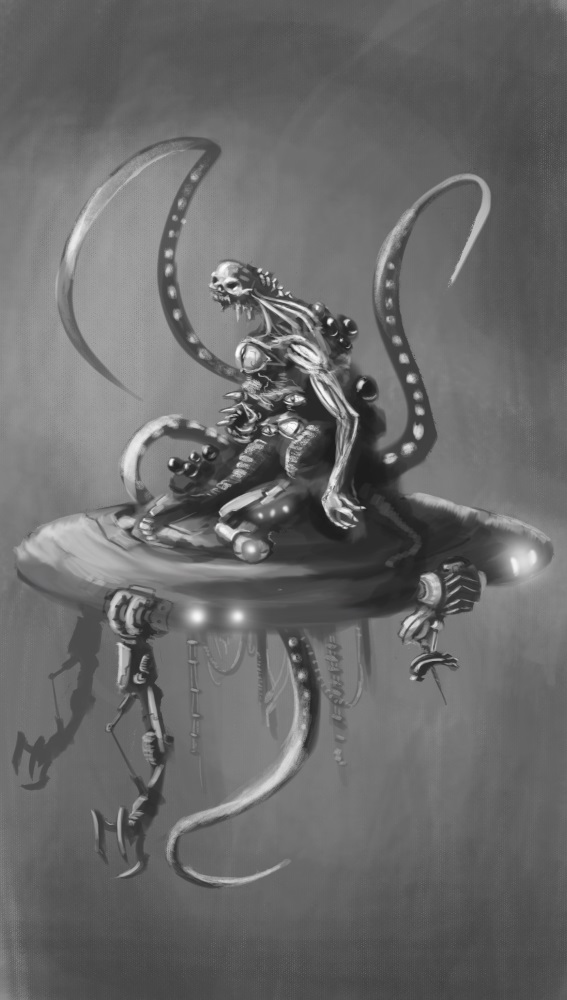 Obstacles are simpler than distractions. The party is trying to do something. Some other group (or groups) want to stop them. So they send people or things to do just that. Important places have guards. Troublemakers attract unfriendly attention. Obstacles are your standard RPG encounters. You just want to have a few on hand and ready to go.
A dungeon crawl has it's traps and dungeon denizens. A Night's Black Agents game has it's vampyramid. A thieves' guild campaign has security and rivals. A political campaign has factions and dirty tricks. A high school amateur detective gang has cliques and shady characters.
You've got this. A few extra obstacles on hand in case you need them is a good idea.
Blowback
Blowback is the consequence of the characters' previous actions. It can work as a distraction or an obstacle, but it's a result of what the PCs have already been up to.
If the druid let the sacred grove die to go fight undead, they could find themselves haunted by undead spirits of the grove. You could foreshadow this for a number of session, first with bad dreams, then sightings in the distance, and finally a throw-down.
If the PCs bombed the house to get the vampire, who owned the house? Who was there during the bombing? Now a Renfield backed with a pack of ghouls is on their trail.
As the campaign goes on, more and more of the action can come from blowbacks. Just don't overdo so much that the players feel all their actions turn the world to ashes. Let some of their victories remain shining victories, while at the same time show them what they do matters.
When a Big Scene Becomes Small, Part II
Social Scenes That End Before Their Time
The players come upon a damaged automaton amid evidence of a brutal fight.
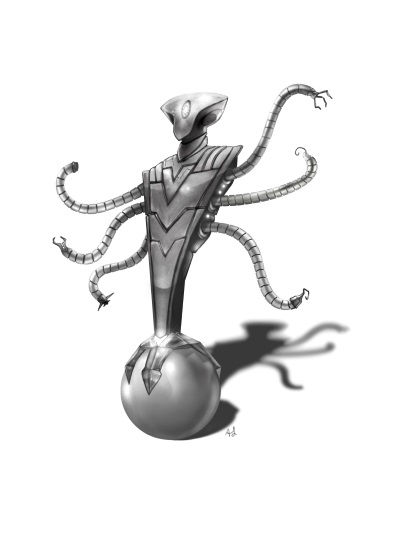 "I need your help. I have a way to protect automatons against turning into killing machines, but I can't repair myself. Can you help repair me?"
The players look at the GM. "Nope. We're moving on. Next room."
Just like with the action scenes, much of the time if the players exit a social scene right after they enter it, the story can continue without problems.
In the example above, the automaton might have some core clues it would have happily divulged. Now the GM is faced with letting the PCs wander aimlessly with little hope of solving the mystery, sticking the clues in the next scene (where they might not make much sense), or keeping the scene going.
In this particular case, dialog with the automaton will lead into a core flashback scene you really want to run.
There are a few tricks to keeping a social scene going.
Hook Them With Partial Information
"Wait, I can tell you why the mutant bird-people are waking the ghost in the machine!" Hooks will sometimes get the players to pay attention.
Just look at this line, it lets the players know the bird-folk are up to something, and the machine coming to life has a ghost in it, whatever that means. This is bait to get them intrigued and back in dialog with the automaton.
Pretend to Forgive Them
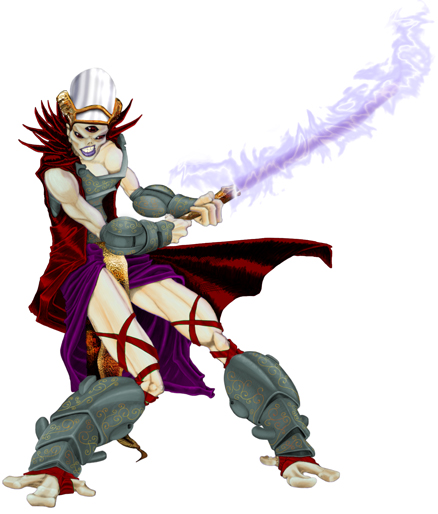
If the players were rude or threatening to an important NPC, world-logic will probably suggest they shut the PCs out and refuse to engage. But it's your NPC, you can always come up with a reason for them to want to continue the interaction.
Say the party has just insulted a princess who is key to the story. "I suppose I need you more than you need me. Just listen for a moment, my father is not to be trusted, but he can be influenced."
The PCs can continue to discuss what's going on with the princess, plus, you can always create a price for the PCs' insolence. She could withhold resources, information, or demand they kneel and beg forgiveness when the PCs realize they really do need her help.
Second Chances
Have the NPC reappear later, perhaps this time in better shape to convince the PCs to listen.
Back to our automaton up top, the PCs could return to town and find not only has the automaton repaired itself, but it's the center of attention at a town square meeting. "And those are the people who left me there, broken and helpless. All I wanted to do was help them. They still don't know what's going on in the machine."
Feelings
If the players exited out of an emotional scene, for example one in which the King dies in the Princess's arms, you might not want to skip this because you think it sets up the tone of the next scene. But the PCs move on.
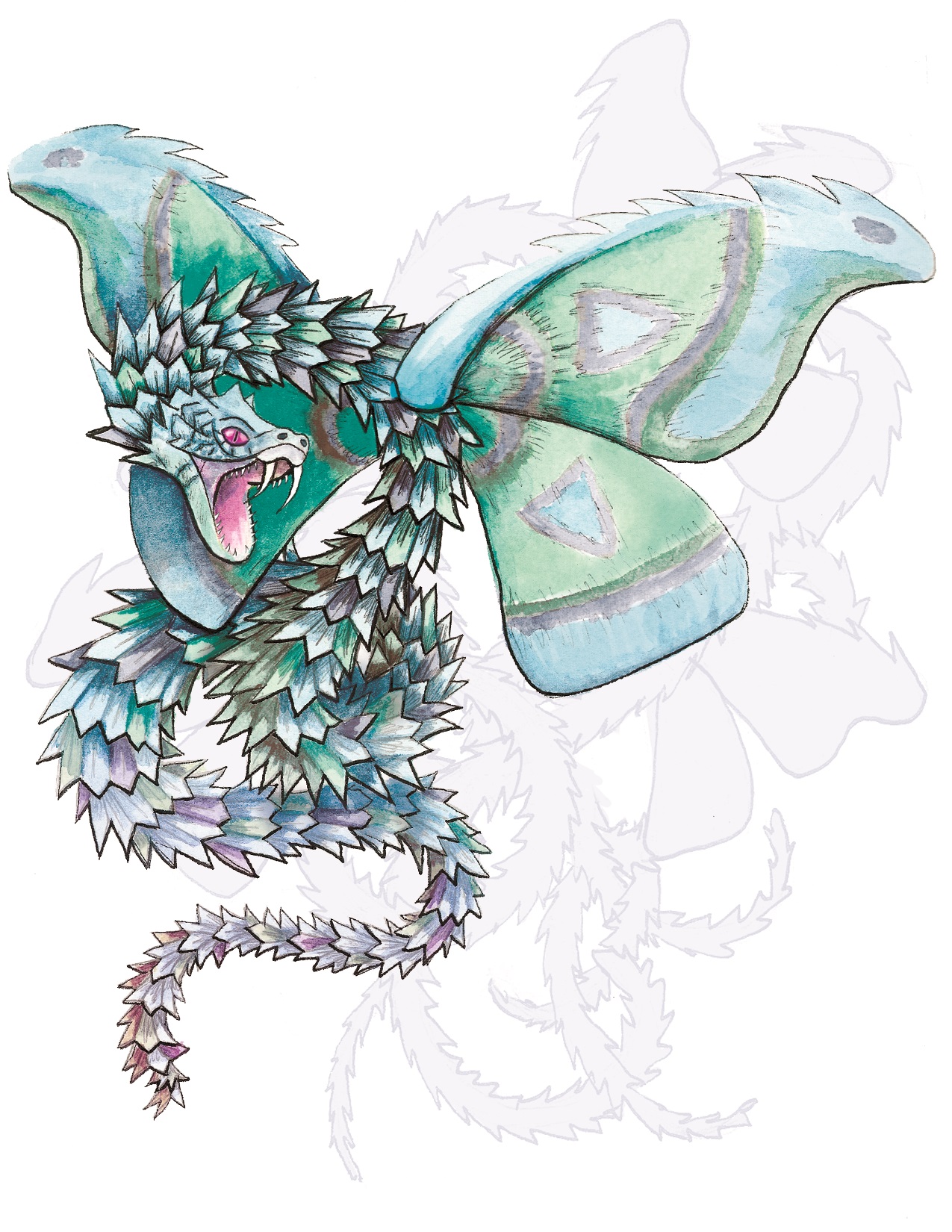 "The Princess comes to you, her fine silks soiled by her father's blood. 'It's over. I held him as he past. We spoke of many things, when I was a girl, when my first flying serpent bit the butler, and what you did. In his last moments, he told me how your forcing him out of the dream-world broke him. But he did not believe my mother would break so easily."
When a Big Scene Becomes Small, Part I
Sometimes when you are GMing, scenes end quicker than you expect. The PCs enter the scene, and immediately trigger the exit. In most cases this isn't a problem. You find out what scene they want to do next and make it happen. Ripping through an adventure at warp speed can be fun.
 Sometimes it is a problem.
Sometimes a big action scene turns into a yawn.
Maybe the PCs got lucky. Or the players were just that good. Which is wonderful most of the time, but this was the boss you been foreshadowing for four sessions. And the players don't look pumped, they look sad because they were expecting an exciting challenge, and found a marshmallow.
Extending Combat
A major fight that ends in one round feels anti-climatic. Some players won't mind, but many will.
There's a few tricks to keep an important fight going. The trick is to not negate the players' victory, just keep the fun going a while longer.
Reinforcements You already have the stats for your opponents, and as they are mowed down, have more of the same show up. To preserve the player's victory, use less of them, and/or have them show up at some disadvantage.
- The PCs hear the reinforcements coming, allowing them time (1 round!) to prepare.
- The reinforcements have to climb up a ladder to get to the PCs.
- The reinforcements are second stringers, and have less hit points.
- The reinforcements are quick to flee if the PCs are obviously winning. This lets you keep the fight going, but not turn it into a slog.
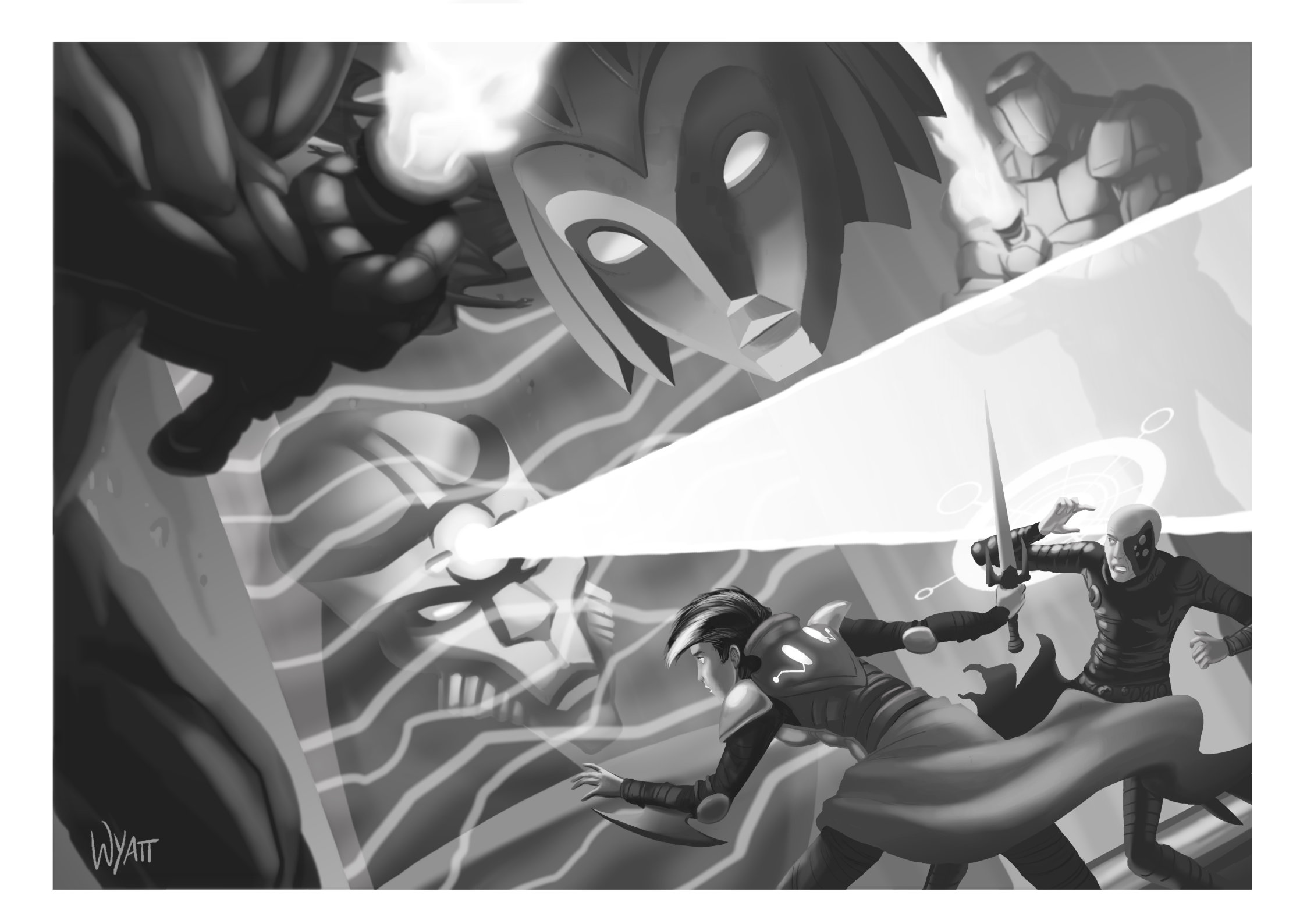
Fake Boss! The boss you planned for just went down, and then you have the *real* boss you just made up step in to continue the fight. To give the PCs their victory, the first boss drops an important item, something that has "made to fight the next-boss" written all over it. The anti-undead sword-cane of doom, the reveal-invisible dust of St. Silverius, the armor shattering bolt of victory...
Or the victory can be tactical. They have the "real-boss" at a disadvantage, and you give them a bonus to show them that. For example, you could give them advantage in 5E, increment the escalation die in 13th Age, or lower the difficulty for the PCs by 1 in Numenera.
Great, but what is this new boss? Who can make up a boss on the fly? Not me; even in a rules light game like Numenera, a boss should offer unique challenges.
Your choices are to find one quickly or make one quickly.
Find one from an adventure, bestiary, or other game supplement. That could work, but might take a while. What's the next boss you planned on using? Bring them on now? Or a weaker version of the next boss, just add a few weaknesses? This could be good foreshadowing. It helps if the two bosses are thematically related to each other. Cultists to the same dark god, dragons working for the same queen, and so on.
 Jack in the Box This is easy and can be a lot of fun for the players. They bring down the demon, and they look at each other. "That was easy." Too easy.
Make one or more creatures get back up after they fall dead. If they are not undead, have them rise as undead. Drop their offensive and defensive powers a notch, give them typical undead features, and resume the battle.
If they are undead, you could make it obvious that a "dark ray came from the unholy altar and when it touched the creature, it jumped up, ready to continue the battle." Now the PCs know they will have to stop the altar from doing that or this could go on and on. Since you just made this up, let whatever crazy idea they come up with work.
 I built a Jack in the Box into my 13th Age adventure The Tower in the Mist: Too Easy? Consider Fulvos coming back as a zombie mutant dragon the round after he goes down, with half hit points and -1 on all attacks, defenses, and damage.
13th Age is a high hit points game, so I cut the zombie Fulvos' hit points in half. He's up and undead, just long enough to scare the players and make the encounter fun. And who doesn't like a zombie mutant dragon?
Extending a Chase
Say a big exciting chase is over because your PCs caught the vampire with the horse/Mercedes/hover-bike in the first block, and you wanted it to drag the party to a major plot point that has to be outside town?
 You can make the chase continue, but you need to do so in a way you don't negate their victory.
If it's not the vampire itself that's the goal, you could have the creature throw the magic item/deed/holo-chip to a confederate who carries it away. The party still has a high value prisoner, who may have other valuables, and they can follow the confederate.
If the vampire is the goal, you could have it escape at great cost. The PCs might be annoyed they haven't caught it yet, but they've wounded it terribly, and made it drop something valuable. It's keeping its distance, but the PCs know they are winning.
Part II: When Social Scenes End Too Quickly
Surprise!
Almost every roleplaying game that supports combat scenes has a rule for surprise. The surprised side gets some disadvantage, usually for the first round. Today I’m talking about when the player characters get surprised by the GM’s characters (NPCs or GMCs depending on your system), not the other way around.
 Why bother with surprise? How does it translate into fun at your table?
- The default kind of fun is a more challenging combat. This is a great way to stress the PCs, and is particularly fun if the players are getting just a little too cocky. How long has it been since the players sweated the outcome of a combat? Standing there with targets on their faces while the opposition gets free shots is sure to get their attention.
- Surprise can help in world building. Maybe here in drow territory, drow have ambush points set up all over the place. You can tilt the odds of whatever surprise mechanics your system has to make it favor the drow in these encounters. As the players venture deep underground, drow ambushes become part of their world. “We go north, we need to be extra careful for drow surprises.”
- Surprise can help in shared world building. If the dice dictate the PCs are surprised, you can ask the players “Why are you surprised?” They can come up with all sorts of explanations you would never think of: “I’m so tired. Henrik’s ghost stories didn’t let me sleep last night.”
- Surprise can help build story. An antagonist might run ahead of the PCs, helping potential adversaries set up ambushes. Maybe it’s because they feel the PCs have cheated them. The GM can leave clues such as “this is the third ambush in a row that has the hallmarks of a Dr. Wild setup. The doctor sure seems to have it in for you.”
- Avoiding surprise by roleplaying can be rewarding. The players may meet someone who knows about the ambush ahead. If the players make friends, they find out about it. If the players are all murder-hobos, they’ll never learn that information.
- Avoiding surprise can be a good use of resources. Maybe use of a magic spell can reveal the ambush ahead. In a game like 13th Age, spending an icon boon could have icon send a message about the ambush. In a 5E type of game, a PC that is part of a faction may get the info as a faction favore. In a GUMSHOE game, players can spend their Sense Trouble points. The players can feel very good that they avoided walking into that trap, by spending a resource wisely to avoid it.
- In some systems, surprising the PCs can end up giving them resources. In Numenera and other Cypher System games, the GM can just declare the party is surprised as part of a group-wide GM Intrusion. Each PC then gets an experience point.
How have you used combat surprises to make your game more fun?
Travel Montages in 5E
OK, you're the GM, and it's time for your players to move from A to B. It might take hours, days, or even months in game time, but you don't want to roleplay every single incident that takes place on the road. "You see a puddle in the road, what do you do?" "Um, we walk around it?"
 You can handwave the entire journey, and just cut to "You arrive in Plotville, everyone seems tense."
However, that makes it feel like teleporting. Which is great if the party actually teleports, but if you want to make travel memorable, yet not take more than a few minutes at the table, you can use a travel montage.
A montage in a roleplaying game is when you go around the table, and everyone makes something up in a collaborative fashion. It's often a time to set the dice aside and show how cool the characters are without worrying about initiative order and skill checks.
(I first ran into montages in the 13th Age roleplaying game. And I put a travel montage into The Sun Below: Sleeping Lady, a Numenera adventure. The concept is system independent.)
Here's how it works. You (as the GM), point at one player. I like to pick someone good at improvisation. "Stace, describe a problem that stops the group's travel. It can be anything, a flood, robbers, a three headed giant, just come up with a problem, not the solution. Your party will get by, because" (then point to the next person sitting clockwise at the table) "Jer will solve it. Don't say how."
After the problem has been described, turn to the next character. "Jer, how do you get the party past this obstacle? You can use your background, your class powers (which won't be used up), or anything. This is your time to shine. Jer, what do you do?"
We allow pretty much any solution to work. We do steer the player away from things that break the mood we're going for. Silly is great in some games, not in others. Remember the player doesn't have to roll dice, so talking their way past robbers, jumping over a chasm, building a raft, and so on, just works.
 Option: Inspiration
At our table, we'll give each player inspiration once they tell us how they solved the problem. Some GMs use less inspiration than we do, so if this feels excessive in your game, just ignore it.
Back to the Montage
Once Jer has solved the problem, we'll ask him to come up with a new problem for the next character to solve, going around the table clockwise. Everyone makes up a problem, and everyone makes up a solution. Once the first player solves her problem, the montage is done. Now, instead of three sessions micro-managing the travel, or handwaving the entire journey, the players have a memorable experience, each character will shine, and only a few minutes have past at the table.
Don't forget to visit our 5E Kickstarter: The Gods Have Spoken.
Intriguing Play
My home group recently finished a campaign. I asked for comments, and everyone agreed, I liked the previous campaign, but this was better. Well, that’s great, it must be I just keep getting awesomer. Or not.
People had many reasons, but a big thing for all the players is they felt more connected to the world. Like what they did mattered. Specifically, they connected to the world through intrigue.
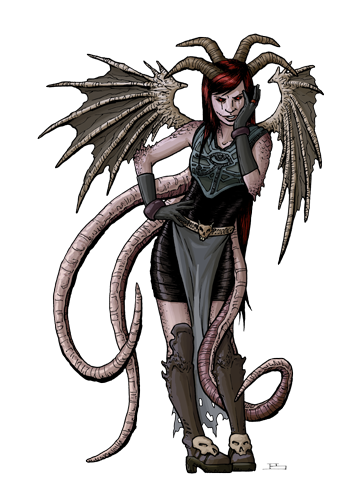
At the end of the Numenera campaign (which people liked), I asked what they wanted more of next campaign. “Intrigue,” they said. (And more visual props, but that’s another post.)
Intrigue. How do I do that? It really helped that the 13th Age RPG has leaders of factions ready to intrigue against each other, the icons. I use the icons from Gods and Icons, but you can intrigue among any group of icons.
The Game of Icons
One thing we know is that in 13th Age, when one age ends and the next begins, some icons survive into the next, and some get replaced. That struggle for iconic survival turned out be the axis around which we spun the campaign. To keep everyone guessing I made morally ambiguous versions of some heroic and villainous icons. More gray--less black and white.
While I took advantage of a 13th Age feature, I’m sure most 13th Age campaigns don’t focus on intrigue. You don’t need a system with icons to do this. In pretty much every rpg setting you can find organizations or factions. Find out which ones would be fun for your players to defend or attack, and set them off against each other.
You can bring in agents of one faction who bad-mouth other factions, and drop hints such as, “as the age ends, all bets are off.” I used 13th Age icon agents for this.
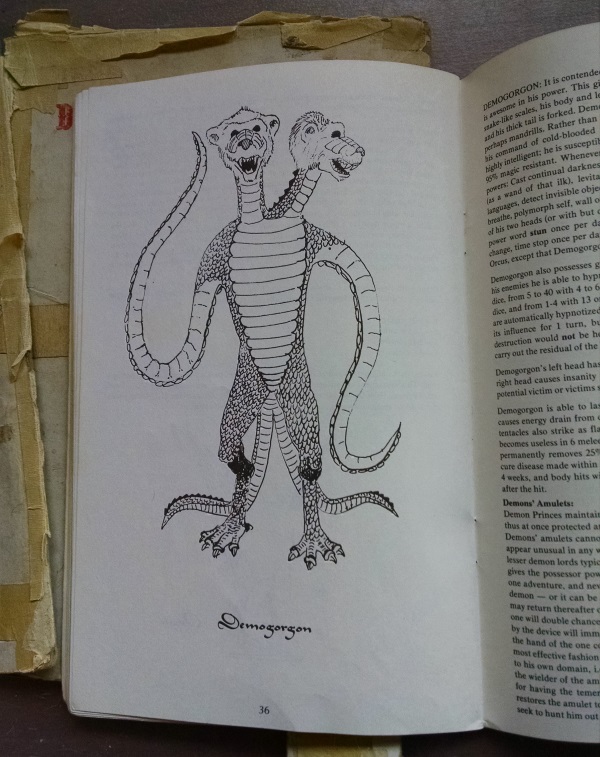 I stole some conspiracy ideas from Night’s Black Agents, even coming up with a conspiracy pyramid (they call it the “conspyramid”) of a drow house controlled by Demogorgon who wanted to replace the current icon of hell. (Those of you who subscribe to the Dread Unicorn Games newsletter already have our version of Demogorgon, 13th Age style.)
 Lower level nodes in the pyramid don’t know much, but (mostly) follow orders from above. The top of the pyramid was Demogorgon, trying to replace the current icon of hell. The PCs engage the bottom levels first, and climb up the pyramid. The final showdown with the big D was in the abyss, as traditional.
Intrigue games have a lot of NPCs, and I’m too lazy to make up tons of NPCs that never get used.
I stole a trick from some GUMSHOE improv campaigns (The Armitage Files and the Dracula Dossier). I came up with a bunch of NPCs, but did not decide if they were allies, enemies, or interested neutrals until the players met them. Instead of making 10 allies, 10 antagonists, and 10 neutrals, I made up names, descriptions, and quirks for 10 NPCs, and made 1 – 3 bullet points for each about how they would be played if they were self-interested, a house loyalist unaware of the demons pulling the strings, or knowingly working for Demogorgon.
 For example:
Jandril: Female Drow Knight
- White scar on left side of face over dark blue skin
- Wears a red cape
Self-Interested
- One day I’ll be captain. Can I use the PCs to further my goal?
- Some sort of deadly political infighting going on among the other knights. Best to keep out of it.
House Loyalist
- All these demons and devils should make our house invincible. Time to move on the other houses!
Working for Demogorgon
- Honor guard for the demonic dragons when they hatch.
When the players were investigating the drow house, trying to stop Demogorgon's plan, they met Jandril. On the spot, I chose Self Interested and she became a possible ally and source of information for the PCs.
I’m not the only 13th Age GM thinking this way. Check out the Heavy Metal GM’s take on this.
PS
Our current campaign is the Dracula Dossier. Great fun for an intrigue loving group.
Gods and Icons Now In Print
The print versions of Gods and Icons and the Gods and Icons Player's Companion are now available. We hope you enjoy them!

GMs Want Their MTV
Have you seen MTV's The Shannara Chronicles? Season 1 is on Netflix now, and it's a great show to watch with a GM's eye.
 Not that it's great all the time, mind you, but it uses all the standard fantasy tropes you might want to use in your games. Great adventure action scenes, heroines and heroes sacrificing everything to get the job done. All in big, obvious, plot points you can see and steal.
And some pretty uneven inter-party romance scenes. Let's just say everyone looks great and has a cute butt, but not all the lines are great and not all the actors sell those uneven lines. A lot of things happen that make the plot work but don't make much sense, but hey, we've got magic elf stones, sword fighting, betrayal, demons, d20s, and Star Trek.
It's fun watching yourself watch the show. What parts work for you, and what don't? How can that impact your game? For me, parts were total fails. And yet, I couldn't stop watching. Why?
IMHO, it's easier to see things to steal for your game from an uneven show you can take a step back from and analyse. So what were they?
- The party works. We had a 3 person party, a caster, a rogue, and a noble. All were young and first level when we start, and grow as the season progresses. Each had a backstory that enriched the show.
- NPCs don't steal the show. There is a super high level druid who threatens to steal the young party's thunder, but the plot demands they go off on their own while he manages a secondary plot of intrigue in the elven palace. It's almost like the show's GM is running two games, one with the party, and a one on one with the druid.
- "Bad" and "good" start off clear in the characters' minds, and change as the series continues. We start off in a very elven point of view, where humans destroyed the world that was, and all elves are honorable, and other races are evil. We learn that what people believe isn't necessarily true. This kind of worldview change is great to do in a game, and often takes a good chunk of a campaign to pull off.
- Related to the the good and bad theme was NPCs who are not what they first seem. Even evil jerks can turn out good, and a friendly face is not always attached to a friendly person.
- Tropes galore. Pit traps, splitting the party, magic swords, magic powers that grow with the character, mentors who make you feel safe then send you on your way, threshold guardians, characters with destiny, and heroic sacrifice. All great gaming material.
- Mooks (AKA minions). If you ever want to see the faceless mook trope, watch the elves.
Anyway, fun show. What did you think?
NPCs Worth Kidnapping
Ever try to start an adventure plot in motion by kidnapping or threatening an NPC the PCs are supposed to care about, only to find your players yawning?
Put yourself in the player's position. "My brother was kidnapped? I have a brother?"
Most RPGs stress the adventure, not the downtime. Some players have elaborate backstories with plenty of NPCs for you to threaten, but most... not so much. How do you get the player to care about an NPC as much as their powerful weapon?
Make the NPC Useful to the Character
Got a sister in a fantasy game? She can make potions at half price. Not an infinite number, but a few a session. Your player will start appreciating her in a whole new light. They might even remember her name!
Got a carriage driver in a steampunk game? He can tell fortunes that give the player clues about what's coming next. When he talks about death walking in flames, it's time to find some fire protection.
How about a mother with contacts that give the player bonuses when dealing with the upper classes? An uncle with contacts in the underworld? Contacts that remind the PC why they are bothering to listen to them. "Always liked your mother." "No one could shiv a guard like your uncle..."
Or a seamstress/tailor whose clothes give a bonus to social rolls. But only for a season, then fashion changes.
Do this for a few sessions. Then kidnap the NPC. Or threaten them in some way. All of a sudden, your players will find they do care.
Game Master's Journey 99 - Stealing from 13th Age with John Marvin
Now you too can steal cool ideas from the 13th Age Roleplaying Game. Give it a listen!

What did you think? Did a miss a steal you think would be great?
Stealing from the 13th Age Roleplaying Game lets you also steal from Gods and Icons, Kickstarting now.
Go forth and steal!
Squeezing Deities into Your Adventure
We're thinking a lot about the gods in fantasy roleplaying games as we work on Gods and Icons and The Gods Have Spoken. Here Vanessa gives advice on adding a pantheon to your game, depending on what kind of GM you are. You’re about to begin a new game. You’ve spent time on plot, NPCs, maps. You've thought of absolutely everything, and it’s all gleeful daggers and mayhem until someone says—
“I wanna play a cleric.”
Ruh roh.
If you’re here, one of your players wants a religious class, and your adventure doesn’t have gods. Or you’re trying to encourage one of your players to play a religious class so that the party has a healer. So you've grabbed a supplement or gone to a website or rifled through the PHB and found a pantheon. Or your player has handed you one god or many, and you promised to work them in.
Problem is, the gods? They weren't in your world to begin with, and they don’t really fit. Or you might like a pantheon but have no idea how to integrate them into your world. You know that the religious-class player will want to have a sense of faith in the game—a cleric without a big religious moment is like a fighter without a battle. How do you squeeze a pantheon into your homebrew so that PCs have fun but you don’t waste a lot of time?
Easy. And it all depends on your GM style.
Map Maker
You always have a map for your game. It’s the first thing you build, and the chief way you think about your world. Boundaries, cultures, cities, terrain, and movement over a large area.
Large scale: Religious practices reflect the land in which the people live. Pick a place that is similar to the original terrain of the pantheon and make it the faith of the people there. Taiga for Norse gods, rainforest for Maya, rocky chaparral for Greek, etc. If there isn’t a terrain that satisfies you on the map, every map has an edge: add something beyond it. And if you’re stuck—if you’re using seafaring gods in a Dark Sun world—just remember that historically speaking, religious practices change over time. What if you landed a sea people on a desert world? How would they change their rituals to match their new territory?
Small scale: Stick a temple on your map. The faith may have been widespread, but now it’s a tiny vestige with limited influence. Or it’s a small cult that has broken off from a larger religion. The cleric has left either to proselytize or bring back an artifact/treasure to restore their former glory.
NPC Builder
You have a list of NPCs that makes the Monstrous Manual look tiny. When faced with a gaming problem, you ask yourself, “What would [NPC] do?” Their individual motivations drive the world.
Large scale: Instead of thinking about the pantheon as an entity, think of the pantheon as a group of NPCs. Let's say this pantheon encounters your world. What do they want? How would they change the world, and be changed by it? Caveat: resist having the avatars get too personal with the party—nothing spells frustrating (or Iliad) like having your level 1 PCs constantly trapped into acting for the gods.
Small scale: Look at your NPC list. Make sure some NPCs are familiar with your cleric’s religion. They don’t have to be devout: heck, maybe they hate the faith. They just need to understand the symbols your cleric is wearing and respond to them.
Master Plotter
You’ve got the story down to the last detail. Random encounters? Ha! There is no random in your land. Your plot is epic and world-spanning, and you can’t wait to see how the players interact with it.
Large scale: Tweak your world plot. It doesn’t have to be huge. Perhaps the main villain is also of the cleric’s faith (awkward!) or is undead, giving the cleric some extra power in combat. Maybe the artifact of power defeating the evil wizard can only be found and activated by someone who follows your cleric’s god. Perhaps your main antagonist has a paladin minion who hates your paladin’s guts. Or the world tree is dying, and only a druid can research and perform the spell that will protect it from a horde of dire aphids.
Small scale: Create an encounter that requires the player-character’s faith. It can be as simple as a knowledge check or as complex as encountering an undead cult with a thirst for the blood of the PC’s religious brethren.
Player Responder
You see yourself as the person who helps your players create the story they want. If someone wants to explore that rocky crag and you didn’t prepare for it, you wing it. You spend a lot of time thinking of encounters to showcase player skills or backstories.
Large scale: If you haven’t already, consider asking your players to take a gamer motivation quiz: https://apps.quanticfoundry.com/lab/10 Look at the data. Do you have someone who loves to get powerful, to “win” the game? Create a priesthood with ranks determined by deeds. How about someone who loves combat? Generate gods and NPCs in opposition to your cleric’s faith, so the smiting may commence! They love to go on collection quests? Time to prepare some god-blessed artifacts. Someone who loves to roleplay? Make sure the cleric’s faith isn’t obscure: perhaps the people respect and defend priests of the faith, or perhaps the ruling class has mandated worship and the people are in revolt.
Small scale: Why do the work yourself? Give the player the basics of your world and let the player create the order from which they come.
Just Remember: Pantheons are Putty
Nothing is carved in stone (as deep as a spear is long on the trunk of the world ash tree). If there’s anything history teaches us, it’s that religions change and people’s ways of conceiving gods differ. The same Artemis who was worshipped as a javelin-thrower in Sparta was conflated with the goddess of magic in Athens. A Brauron cult had girls dress up as bears to appease Artemis the plague-bringer; in other places, Artemis was considered a protective goddess of childbirth. And while many knew her as a virgin goddess, Artemis was also worshipped as a mother goddess in Ephesus.
Moral of the story: You want to change the gods to suit your world? Do it. Humans have been doing it for millennia as it is.
Player Facing Monster Mash-up
I sometimes build monsters off of the PC's backstories. I'll use 13th Age as an example, because ba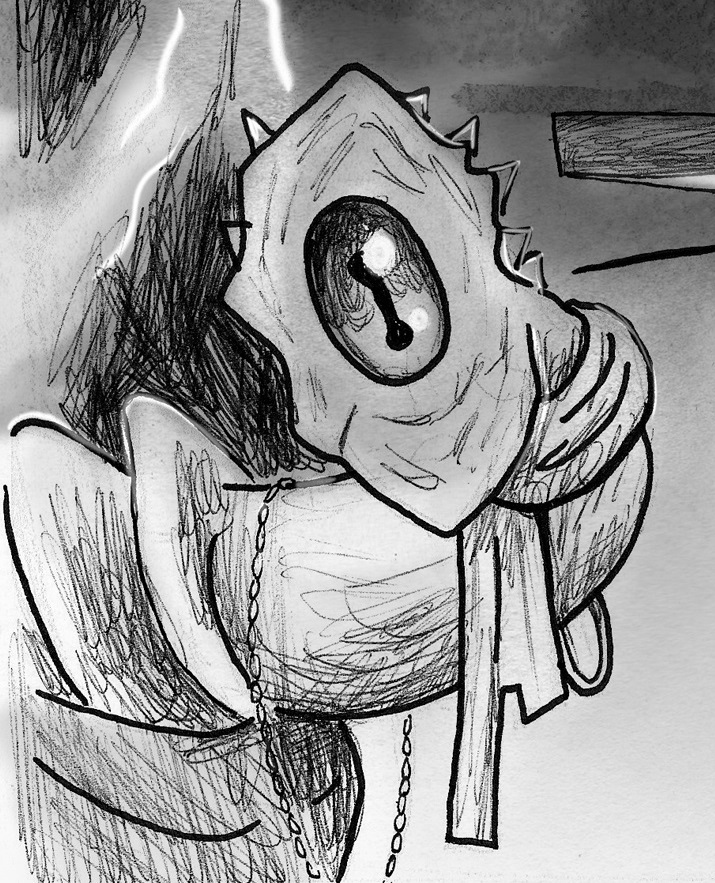 ckstory elements are a major part of the game and every PC has them on their character sheet. But any game where you've got player character backstories will work.
For 13th Age PCs, I look at their one unique things, backgrounds, icon relationships, and whatever weirdness the players have latched onto, and try to build monsters out of this strange stew. I don't use every backstory bit every time. I pick 2 or 3 for my monster mash-ups.
First I figure out what level, and then I mash up two monsters of that level that have some tie to my PCs backstories. There's a great master monster list you can download here. Or just use the chart in the back of the Bestiary.
For example: Do the PCs have lots of icon relationships with the Orc Lord? And a PC whose background is an ooze and slime collector? I look for monsters associated with the Orc Lord and ooze or slime at my target level. I think it must be time for a 4th level Gelatinous Orc! Simply take the best features from both, and use them.
If I take a 3rd feature from a PC, I'll take one that is just for flavor, like Cat Whisperer of the Elf Queen's court. A little gelatinous cat sits on the monster's shoulder, but has no mechanical effect.
 Hmm, I can't find any 4th level orcs, but a bugbear will work! A gelatinous bugbear! I take stats from the Barbarous Bugbear from the Bestiary. (I could level an orc, but if I'm improving in game, I don't have time.)
And the gelatinous tetrahedron, also from the Bestiary. I better bookmark both pages.
I take the higher value of two out of the three defenses and for HP and initiative. I take the lower of the two for one of the defenses. I chose the lowest of the defenses from either monster and use that. I like to keep the rock, paper, scissors (armor class, physical defense, mental defense) design of 13th Age combat going.
I'll write down the init, defenses, and hit points. So, AC: 18 or 19 -> 19; PD: 17 or 17 -> 17!; MD: 16 or 14 -> 14; HP: 51 or 160 -> 160. Init +12 or +3 -> +12. I'll make the size huge for the gelatinous special effects. I might give small boosts to PCs with relationships to the Orc Lord or with ooze and slime backgrounds, say +1 to hit.
"It's a huge bugbear made out of green gelatinous goo. On it's shoulder sits a gelatinous cat who squints at you."
I'll just flip back and forth in the Bestiary for the attacks.
Bugbear stuff: The ferocious start is cool, I'll use it. 2 attacks a round to start with, yay! I'll also use the club attack from the barbarous bugbear, calling it a gelatinous club, but I won't use the natural even hit or miss power. I'll save the special effect for the gelatinous part of my creature.
Gelatinous stuff: I'll say an even gelatinous club hit triggers the gelatinous tetrahedron's engulf and dissolve, on an odd hit it does the club damage from the bugbear. "The gelatinous club splats all over you and covers you in slime, drawing you inside the huge jelly-like bugbear. The gelatinous cat licks its lips."
I think I'll leave out the gelatinous tetrahedron's instinctive actions. I'll save those for the full-on gelahedrons.
Nastier Specials: For extra scariness I like to ask my players. "What's the worst thing about a gelatinous bugbear?" One player is sure to blurt out something awful. Probably about the gelatinous cat spitting slime balls. The rest will moan and beg them not to say things like that, but really, everyone is enjoying the fun. If no one offers a fun suggestion, I'll choose from one of the base creatures or make my own (slime ball attack on a natural even miss!). Crits on 18+ is easy. 16+ if I'm in the mood.
See Also: The undead owlbear archaeologist.
Adding the Challenge Without the Slow
This is about speeding combat in 13th Age, but the general advice works in any rpg. In fact the math works great in most d20 games, from 3.0 to 5E. Here's the problem. You want to increase the challenge, so you add difficulty, but now your combats go on and on and on. What happened to those 20 minute combats you loved when you first found 13th Age?
To start off, look at Building Battles, page 186 in the Core book. If you follow the advice there, most of your battles will be quick. Great! But once your players start to master their characters, you'll find them too easy. Not great.
 So, you opt for a combat 1.5 times or 2 times as hard as a standard battle. That's easy, just add more monsters! And now your battles are more challenging. And long. Too long.
13 True Ways to the rescue! Check out Leveling Up a "Book" Monster and Customizing a DIY Monster on page 159 of 13 True Ways. We're going to combine these to up the challenge while making combats faster.
For each monster you add, you have to manage their position and tactics, roll to hit, track hit points, and so on. Players have yet another target to worry about.
So: Start with a balanced encounter, then up the Levels and apply the Offensive customization.
For example, let's add one level to each monster, and max out the offensive customization. I like the offensive customization to speed up play, as the players miss less, making combat faster. However, the monster misses less, increasing the challenge for the players.
- Attack Bonuses: +1 for level, +3 for offensive = +4! Yay monsters!
- Defenses: +1 for level, -3 for offensive = -2. Yay PCs!
- Hit Points: * 1.25. A bit of a buffer for all those extra hits the PCs will be doing.
- Damage: * 1.25. More hitting AND more damage.
- Specials: * 1.25. I apply this to initiative, since the PCs will hit more often, you don't want the monsters to go down without getting their licks in! (Exception: I don't do this for slow monsters, as being slow is part of their deal. So I might just skip this for the slowest monsters in the combat.)
 So let's apply this to a medium red dragon (is that a red dragon who tells fortunes?). They're on p. 220 of the Core book.
Changes:
- Level: 6th +1 = 7th level wrecker
- Attack Bonuses: +11 +4 = +15 for both the Fangs, Claws, and Tail and the Fiery Breath attacks. No more missing!
- Defenses: AC: 21 -2 = 19; PD: 20 -2 = 18; MD: 16 -2 = 14. 10% more hitable.
- Hit Points: 90 * 1.25 = 113.
- Damage: Fangs, claws & tail: 8 * 1.25 = 10 each; Fiery breath: 10 * 1.25 = 13 on 2d3 PCs.
- Initiative: +11 * 1.25 = +14.
- Resist Fire: 12+ * 1.25 = 15+
How's that? The challenge is upped, because this dragon will go near the top of the initiative order, hardly ever miss, and will do more damage. But the lower defenses will mean the dragon goes down faster, ending the combat in fewer rounds.
You can do this for all, or just some of the monsters in an encounter. Leveling up by itself without the offensive customization will be faster than adding monsters.
By choosing a creature like a dragon who attacks multiple times each round, the downside of the "glass cannon" effect you can get with the offensive build is minimized. Even if the dragon only lasts a few rounds, it's going to hit a lot of PCs for damage.
You can do with with the other creatures in the encounter. Perhaps your enhanced red dragon has some enhanced kobold dragon-souls (13th Age Bestiary, p. 125) as friends...
Fast AND Furious!
A Plague of Ones, Part II The Bad and the Ugly
Now it Gets Bad.
Now it Gets Ugly.
 In Numenera, The Strange, and all other Cypher System games, the rule is: roll a one, the GM gets a "free" GM Intrusion with no experience point award. Ones are supposed to happen. 5% of the time.
But if you game enough, you'll be sure to run into the dreaded plague of ones. So many ones, what's a GM to do? A lot depends on what's going on in an encounter.
Last time we talked about the good side, when everyone is still having fun, despite the plague of ones. Now let's look at the harder problem, where the ones are wrecking your game.
A Plague of Ones in an Encounter that is No Longer Interesting
Combat
The cypher system is made for fast, exciting combat. But if the PCs just keep missing and are running out of pool points, what do you do? (For a more general solution, see End With a Bang.)
Adding typical combat intrusions (creature/artifact/environment) will slow down combat. But there's yet another one sitting there on the table, taunting you. We're assuming the combat is not spiraling down the TPK drain (see below), so why not try a different kind of intrusion?
If the foes flee, combat ends, and you can move to a more interesting scene. Next time the NPCs will be better prepared for the PCs (+1 level for attacks? Return in greater numbers? Find a higher level friend?). An iron door or a force screen could stop the party from pursuing and prolonging the pain. The foes might jump through a secret door and lock it behind them. Perhaps the foes can wave some treasure, say a cypher or artifact, at the PCs as they vanish. So long, suckers!
Or, give a typical combat intrusion a silver lining that helps bring the dragging combat to a close. The artifact sword slipped out of the PC's hand and flew across the room, but it also cleaved through a statue revealing hidden cyphers (that are perfect for ending the fight) within. A creature careens into the PC, knocking them both across the floor, but put itself in a vulnerable position for a different PC. Thanks Nojo! And sorry about the concussion...
Environmental (climbing, crafting, and so on...)
It's not any fun anymore, so end it. Maybe give some damage for doing something dangerous like climbing, then narrate how the rest of the party got the PC over the wall. The item in the workshop broke, the PC needs new parts, so try again another session. End it and jump to an exciting scene. The workshop's doors fly off their hinges and in comes a hulking steam powered automaton!
Social
Same thing, wrap it up and move on. Give the PC one last insult, and show the party the door. If this is a critical plot point, an NPC can whisper to a different PC to arrange a private meeting later. "The king will never listen to you now, but the prisoners in the vineyards still need you. Meet me in the park at midnight..."
A Plague of Ones in an Encounter that Threatens to Ruin the Session
Oh noes. Too many sessions like this can kill a campaign. At least you can blame the dice.
Combat
 All these ones are pointing in one direction: TPK. Move to capture or let the PCs retreat. An intrusion could set off a trap that imprisons the PC, followed by an ultimatum for a party surrender. The PC could be mind controlled. A larger trap is sprung, and the way out is blocked while more foes join in the battle. "Surrender!"
 Or nudge the party into fleeing. Describe how the tide has turned against them, and the foes are trying to encircle the PCs. A friendly NPC could try and hold off the foes. "Fly, you fools!" Drop the PC down the damage track and just let them know "You still have time to flee."
Dropping a PC down the damage track encourages them to flee as it makes the player feel vulnerable.
Environmental (climbing, crafting, and so on...)
It's hard to see how this kind of failure would kill a session, but if the players keep hitting their head on the wall, help them move on. Leave the scene and narrate to something fun. The wall collapsed, the workshop blew up, and a week later the party reaches the baron's tower (or whatever the next fun scene is).
Social
It's sad their social strategies have failed, but they did. So move on and narrate them to something exciting. If you succeed here at the tower, those back home might change their minds. But first things first. Like those giant clockwork worms heading your way. What do you do?
Move On
You see a common thread in all of these suggestions? If it's not fun, cut the scene and move on. Sometimes groups will get stuck trying the same thing over and over again, waiting for the dice to save them. Help the players move on, and everyone will benefit.
It's a game. It's supposed to be fun. So when it's not, move on.
New! Sign Up Now for the Dread Unicorn Games Newsletter!
Subscribe now! The Dread Unicorn is starting a newsletter. Keep up to date with gaming news, special offers, new creatures, items, and GM advice.

Instant Adventures, Part III -- GM Intrusions
Let's return to the subject of Instant Adventures. In part I we took them apart and saw how to build our own. In part II we had an example using Numenera, complete with toadling queens. Today let's talk about GM Intrusions. You need to have GM Intrusions for your players to get xp and to keep the game interesting. We want to be sure to use GM Intrusions in our own Instant Adventures.
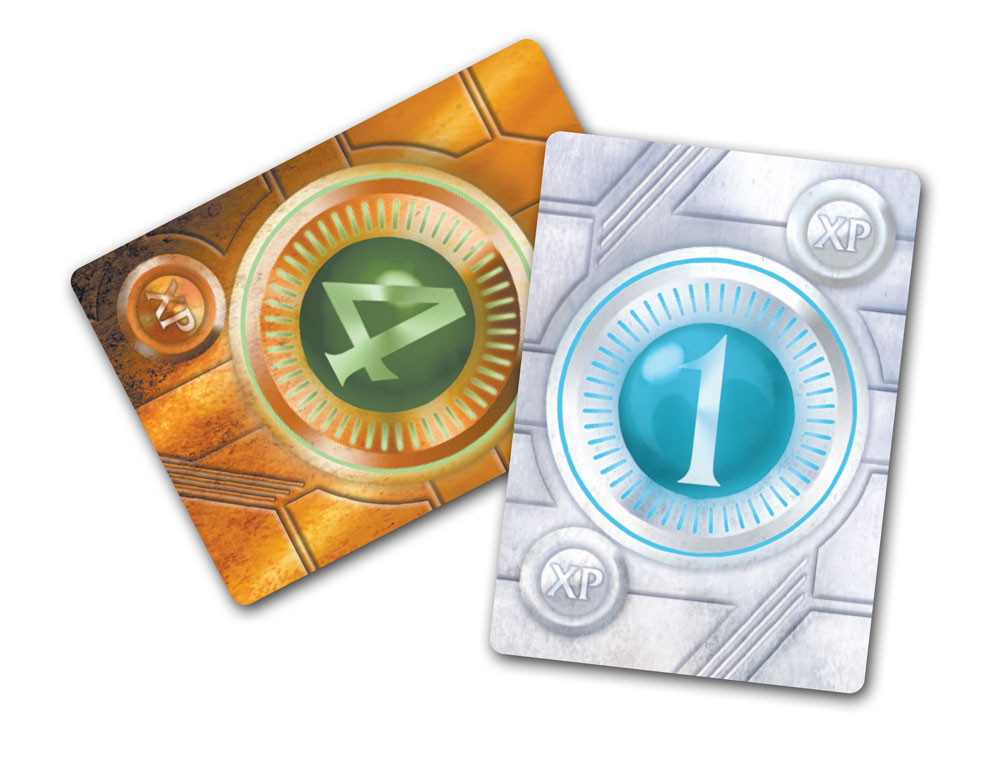
Many GMs new to the cypher system say they forget to do GM Intrusions. Hint: pass out physical objects for xp when you do a GM Intrusion. Use cards, poker chips, dragon tears, whatever. The deck/pile of xp objects in front of you will remind you to keep on doing it.
Monte Cook Games sells xp decks; I like them, but anything will do.
Almost all creatures for Cypher System games come with a built in GM Intrusions. (All of the creatures from Dread Unicorn Games' Cypher System books do.) I like to start combat with a GM Intrusion. It shows off a cool ability and I can do it again if the players roll 1s.

Now if you just made up a bunch of creatures, like my toadlings in the example Instant Adventure, you can make up GM Intrusions for them. Let's go!
- Margrs and Nibovian Wives are from the Core book, and already have GM Intrusions in their callouts. See pages 244 and 249. The Nibovian Wife's GM Intrusion is an escape, which is great for avoiding combat, particularly if time is running short.
- Toadling GM Intrusion: a swarm frenzies, attacking at 2 levels higher (6) and doing 12 points of damage.
- Toadling Queen GM Intrusion: She spits a glob of acidic poison at a character's face. Level 6 attack for 4 points of ambient damage, plus the character has to make a Level 6 Might defense check or take another 4 points of poison damage.
- Toadling King GM Intrusion: He hops into the air and lands on a character. This is a level 7 attack which does 5 points of ambient damage and dazes them for one round.
Note: these attack GM Intrusions are extra attacks, so the creature can follow up with it's normal attack.
 Now, let's make up some social GM Intrusions:
- Uncle Liskal GM Intrusion: a character in Liskal's chamber must make a level 6 Intellect defense roll or for the next 28 hours refer to the AI as "Uncle Liskal" and feel compelled to impress the machine. "When Uncle Liskal hears how I dealt with this problem, he'll really be impressed." (Probably not.)
- The Song of Love GM Intrusion: if none of the male characters are falling for Klaru's charms, use a GM Intrusion to change one of their minds. "Despite you better judgement, there is something about her that makes you throw your caution (and clothing) to the wind."
- Faux pas with the Queen GM Intrusion: the slimy floor is too much for a character, causing them to slip and fall, right onto one of the queen's offspring. The little toadling croaks in pain!
- Jealous King GM Intrusion: If the characters fixed the moon pool to gain the queen's help, she plants a slimy kiss on a character before they go to see the king. He sniffs the character "You've been fooling around with one of my queens! I can smell her on you!"
You get the idea. Things to make the game a little more interesting, to keep the story exciting, and to give everyone at the table a good laugh. And xp.
John WS Marvin Interview Part II
Lex Starwalker, of Game Master Journey podcast fame, released the second half of his interview with me. We talk about Instant Adventures (here's my Part I and Part II) and other support for improv adventures, Gods and Icons for 13th Age, intrigue in 13th Age, The Sun Below: Sleeping Lady, and more. Give it a listen.
You can hear part one of the interview here, where we talk about montages, fronts, and The Sun Below: Sleeping Lady.
Talk to the Fish: Instant Adventure -- Part II
Last time in Planning to Improv: Make Your Own Instant Adventure, Part I, we looked at what goes into an Instant Adventure. In Part III, we look at GM Intrusions for your Instant Adventures.
Here's the example using Numenera. 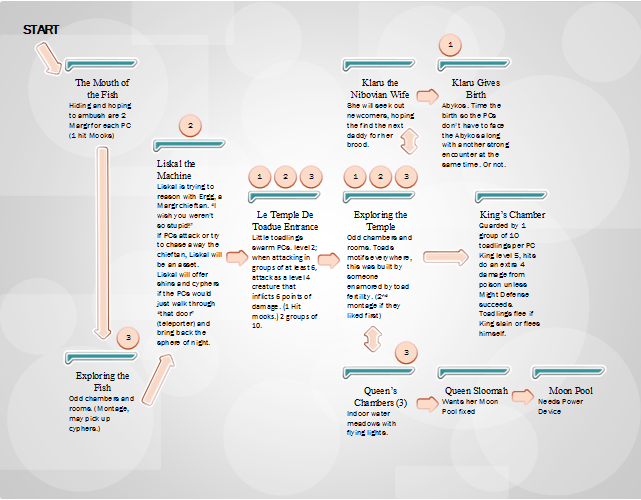
Notes:
Ignore the references to mooks in Numenera unless you have Dread Unicorn Game's The Sun Below: City on the Edge, or The Sun Below: Sleeping Lady. If you don't know how to run an rpg montage, see the Sun Below adventures, or the Blogger’s Roundtable of Doom: The Montage.
Summary
Liskal is a stunted machine intelligence that would like to repair itself. Its mind is truncated by being forced to exist in our dimension. In the past its mind was transdimensional, but that was a long time ago. Liskal needs a sphere from Le Temple De Toadue to start to reclaim its own mind. It can’t go itself, but it can teleport people. Which is where the players come in.
Details
- Liskal wants the sphere of night.
- The sphere is at Le Temple De Toadue.
- The Toad King regards this sphere as a prized possession. The Toad King can’t remember his own name.
- Klaru, a Nibovian Wife is in the temple. The Toad King fell for her tricks once, not again. Yet he lets her stay.
- There are 3 Toad Queens. Queens Deepi, Onea, and Sloomah.
- Sloomah wants the moon pool fixed. If the PCs do that, she can help convince The Toad King to give up the sphere of night.
Starting Point
The PCs have heard of the giant stone fish, high in the mountains. As they approach, they see blinking lights inside the mouth. Inside is a busted up synth column with 2 shins per PC strewn about.
Wrap Up
The PCs acquire the sphere of night, either through force of arms or by enlisting Queen Sloomah’s help. They bring it back to Liskal, who awards them each 15 shins and a cypher.
Future adventures: If you like, Liskal is not done, and you can use the machine mind to teleport the PCs all over the ninth world and beyond as it slowly builds itself up, piece by hard to get piece.
Keys
- Toadling servant of Queen Sloomah. Will try to take PCs to the Queen.
- Moon Pool Power device. It’s a head-sized green gelatinous egg that glows.
- Dead explorer with a detonation (desiccating) cypher. Journal’s last entry: “I got away from the Toad King, now I just have to survive his damned poison.” If found in the fish, it will mention teleporting on “a fool’s errand for a machine.”
Making Instant Adventure Notes:
Each node should have a way for the PCs to interact with it. A person is either at a place or will find the PCs. A location should have something to do there.
What Not To Do
I ran an Instant Adventure using 13th Age rules, and had three "people" (a nasty cultist and two devils) that could find the PCs. And an item that could summon a really nasty devil as a key. I put all four in the secret temple location, and it was a mess. Not every person who wants to find the PCs has to show up at the same time. Doh!
Planning to Improv: Make Your Own Instant Adventure, Part I
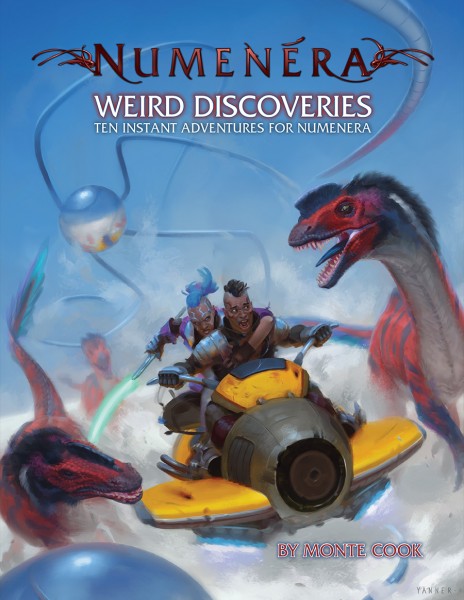
Monte Cook Games has been talking a lot recently about their Instant Adventures. You can even purchase Weird Discoveries: Ten Instant Adventures for Numenera.
 The idea of an instant adventure is you have just enough prepared to let you improv your way to a good game session. Instead of an item, clue, or other plot point attached to place (under the rug is a hidden map), plot points are fluid and can be placed in whatever scene fits your session's pacing. GUMSHOE GMs will note the similarities with floating core clues.
So, what can we steal to make our own instant adventure? In this post I'll look at the building blocks of an instant adventure. In the next, I'll make my own.
Instant adventures can work not just in Numenera, but in any system.
First you have a list of bullet points about what is really going on. The characters won't have a clue about this information at the start of the session. For example, an ancient machine has awoken and is capturing people and "improving" them in tragic ways.
Then a hook (starting point): The guide the PCs are counting on has vanished, as have a number of people.
And and ending (wrap-up): The PCs stop the machine and maybe have rescued a few of the people, including the guide.
Next you come up with two to four floating plot points, or keys. A key can be a clue, knowledge, evidence (say in a murder mystery), an item, or something that "summons" a creature. A person who knows where the vanished people went. A device that will fix a sparking sphere. An item that makes the machine think the PCs don't need improvement.
Next, seven to twelve nodes. These are people or places. You can sketch a graph or map that shows all the nodes and which keys might be at any node. Any key could show up at a number of nodes. In play, the GM picks one based on the session, pacing, and what has hooked the player's interest. The players really really like this stupid rock in front of the glowing house? Then it's not a stupid rock, it's a key!
People can have information or items. They can sometimes be opponents. Places can have items, clues, weird numenera, and/or creatures.
Note which key(s) might be with this node. Nodes can point to other nodes. Some nodes can be bottlenecks, the PCs must get past this node to continue the session.
Example node: A deep well with a sparking sphere at the bottom. Next to the sphere is a door that leads to the rest of the session, but won't open until the PCs repair the sphere. If the item that makes the machine think they don't need improvement is here, the PCs must remove it from the sphere and take it with them. Past the door is the dancing reptile woman.
You can tie your instant adventure into your campaign as extra credit if you with.
Then run and enjoy. Let the keys show up when it feels right for the pacing and whatever lunacy your players are up to.
Next time I'll build a tiny instant adventure.
Channeling the Marx Brothers
Have you ever had a player, or even all your players, sit down at your table with a strong desire to do mischief? They want to insult authority figures, behave inappropriately, and cause as much chaos as possible.
 Kind of like a Marx Brothers movie.
Which might be great if you're running a comedy campaign. Or a comedy one-shot adventure. As a GM channel your inner Margaret Dumont, act snooty and outraged, yet never stop the players from making ever bigger fools of everyone.
But what about when you have a more serious campaign in mind? Must the rogue try to steal the crown off the kings head in full view of his guards? Must the pilot flush the starship's sewage over the coronation procession? Can't they just try and get the plot hook from the NPC instead of trying to convince her to marry the party's goat?
Part of what the players are reacting to is they never are supposed to be inappropriate in social situations. Kill the monsters, but always play nice in town.
If you let them have their fun once in a while, they are more likely to treat the rest of the campaign with the seriousness you wish. Well, you can hope.
Example: Ruin the Feast
The characters meet an NPC who will reward them if they agree to ruin the Imperial Feast. The Emperor has sent a young lord to the city state, with instructions to throw a fantastic feast, everyone invited. Free food! Free drink! Surely everyone will think highly of the Emperor after such a feast. (And maybe when the Empire moves to annex the city state, people won't get too worried.)
The party's job is to make the feast fail. Go around the table "What do you do to make people really remember this feast?"
The players will come with all sorts of interesting ideas. If it's not a slam dunk, have them role dice to see how great their idea worked. Fail forward, but if they role bad, they are seen by the young lord's servants.
At this point your trouble makers will be in heaven. "I tell the knight that his lady is sleeping with the young lord." "I hallucinate cockroaches and giant centipedes crawling out of the food, then use my powers to share my hallucination with others." "I'm dressed in my holy robes and I fire my halo up. Then I go behind people and push and kick at them. When they turn, I accuse others to cause fights." "'Poison!' I yell. 'They've poisoned the wine!'" "I animate the roast chickens and have them march up and down the tables. Roast chicken zombies!"
 You can bring the scene to a close with guards forcing everyone to leave, people screaming, and the odd tomato getting chucked at the young lord.
Note that this is a visiting lord who is getting the Marx Brothers treatment, not the PC's patron. Factions are great for this. Every faction has it's pompous leaders who are the perfect foils for PCs going wild.
Give the players a moment to laugh, then in a more serious tone open your next scene. If you need to focus the group, go ahead and be transparent. Tell them "This is a more serious scene. The stakes are high and you might not survive if you don't concentrate. Don't worry, if you liked the feast, we'll have similar scenes as the campaign progresses."