

John Marvin Interviewed on New, Old, and Planned Games
Listen to the wonderful folks on the Iconic podcast ask me to talking games. Although their focus is on 13th Age games, we also got into 5E and Numenera. Listen in!


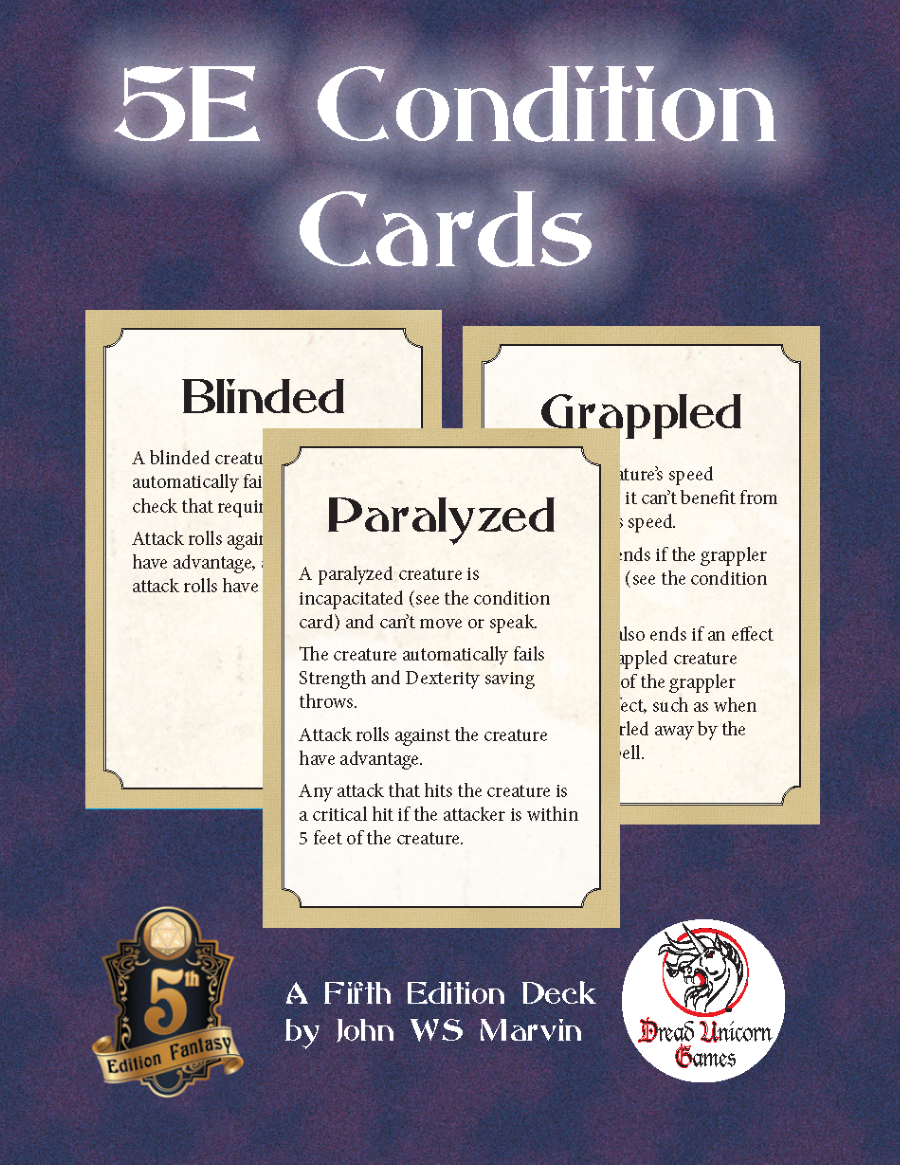
5E Condition Printer Proofs
Hurray! We got the printer proofs in for our 5E Condition Cards. The last chance to catch problems before we put them up for sale.

Printer Proofs
Always proof before you ship!



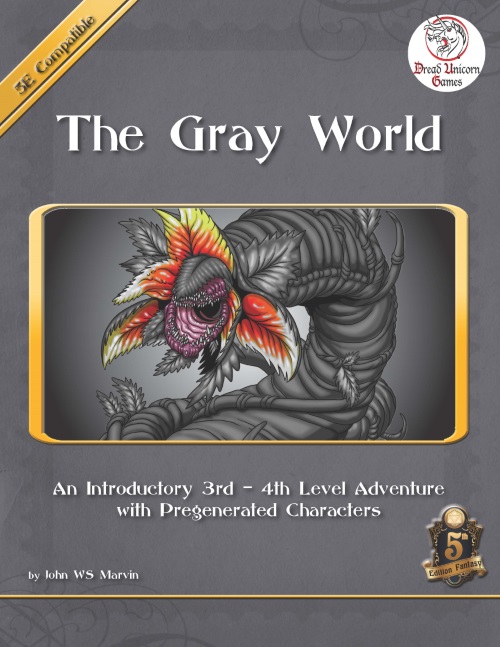
The Gray World (5E)
The Gray World, On Sale Now!
The Gray World is an introductory adventure for third and fourth level fifth edition Dungeons and Dragons characters. Pregenerated characters are included.
The PCs discover they all have helped out Old Man Gray, a squash farmer. Then most everyone in the village dies with gray vines spurting out their bodies. Some NPCs survive, but not all can be trusted. Can the players solve the mystery of the Gray World before they become plant food?
This adventure showcases the innovations found in The Gods Have Spoken. A perfect pairing!


Printer Proofs for The Gods Have Spoken


We'll go over these with eyes of minute seeing, fix all errors, and get these out to you as soon as possible!

The Dread Unicorn Speaks
The Gods Have Spoken ships, The Gods and Icons Player's Companion goes on sale, and a look at games to come.
The Gods Have Spoken
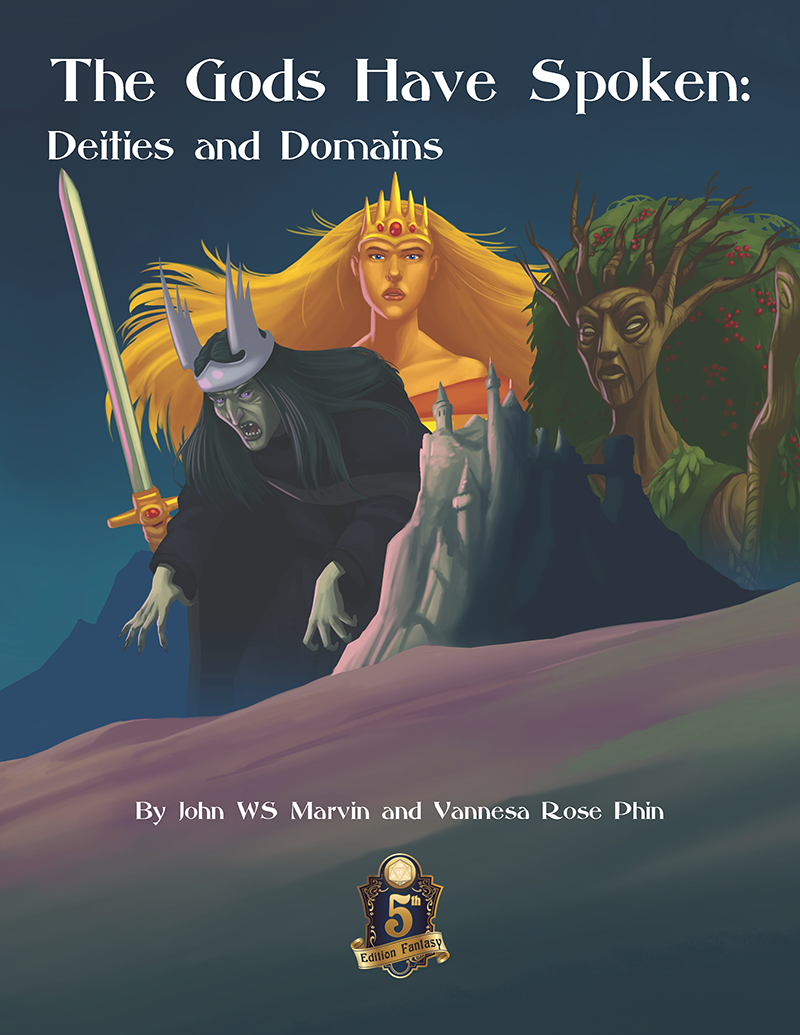
We've shipped The Gods Have Spoken, a supplement for 5th Edition D&D full of new gods, new domains, new character customizations, new creatures, new magic items, a holy weapon creation system, and a brand new set of rules for using factions in your games that let your players decide what factions come into play.

What's Next?
5E
Factions and Conditions Cards Cards to track how factions feel about the PCs, plus cards that track conditions such as Blinded on PCs and NPCs. Less looking up rules, more fighting dragons! (in design)

The Gray World An introductory 5E adventure that showcases The Gods Have Spoken. Comes with pregens, and serves as an example of how to use the new faction system. (in editorial and playtest)
13th Age
Brightvarna Red
Flash fiction and epic poetry from the world of Gods and Icons. The last deliverable from the Gods and Icons Kickstarter. (in editorial)
The Gods and Icons Upgrade Pack
This supplement will include new artwork of the three pantheons, a list of saints to use in your games, and new 13th Age creatures that have ties to the gods and the icons from Gods and Icons. (in development)

Numenera

The Sun Below: That's How the Light Gets In
A transdimensional adventure focusing who, or what, is draining the power of The Sun Below. When PCs come up against adversaries that can't be hurt, and won't listen to reason, the PCs just might have to run a con game with transdimensional stakes! (in design)
On Sale Now!
The Gods and Icons Player's Companion. On sale at DriveThruRPG


The Gods Have Spoken
The PDF is available today at Drive Thru RPG. Praise the Gods! (But which ones?)
The print versions will be available soon.
Playtesters Wanted
 Want to Playtest The Gods Have Spoken? And The Gray World? Can you get feedback back to us by July 1st? Email us!
When a Big Scene Becomes Small, Part I
Sometimes when you are GMing, scenes end quicker than you expect. The PCs enter the scene, and immediately trigger the exit. In most cases this isn't a problem. You find out what scene they want to do next and make it happen. Ripping through an adventure at warp speed can be fun.
 Sometimes it is a problem.
Sometimes a big action scene turns into a yawn.
Maybe the PCs got lucky. Or the players were just that good. Which is wonderful most of the time, but this was the boss you been foreshadowing for four sessions. And the players don't look pumped, they look sad because they were expecting an exciting challenge, and found a marshmallow.
Extending Combat
A major fight that ends in one round feels anti-climatic. Some players won't mind, but many will.
There's a few tricks to keep an important fight going. The trick is to not negate the players' victory, just keep the fun going a while longer.
Reinforcements You already have the stats for your opponents, and as they are mowed down, have more of the same show up. To preserve the player's victory, use less of them, and/or have them show up at some disadvantage.
- The PCs hear the reinforcements coming, allowing them time (1 round!) to prepare.
- The reinforcements have to climb up a ladder to get to the PCs.
- The reinforcements are second stringers, and have less hit points.
- The reinforcements are quick to flee if the PCs are obviously winning. This lets you keep the fight going, but not turn it into a slog.
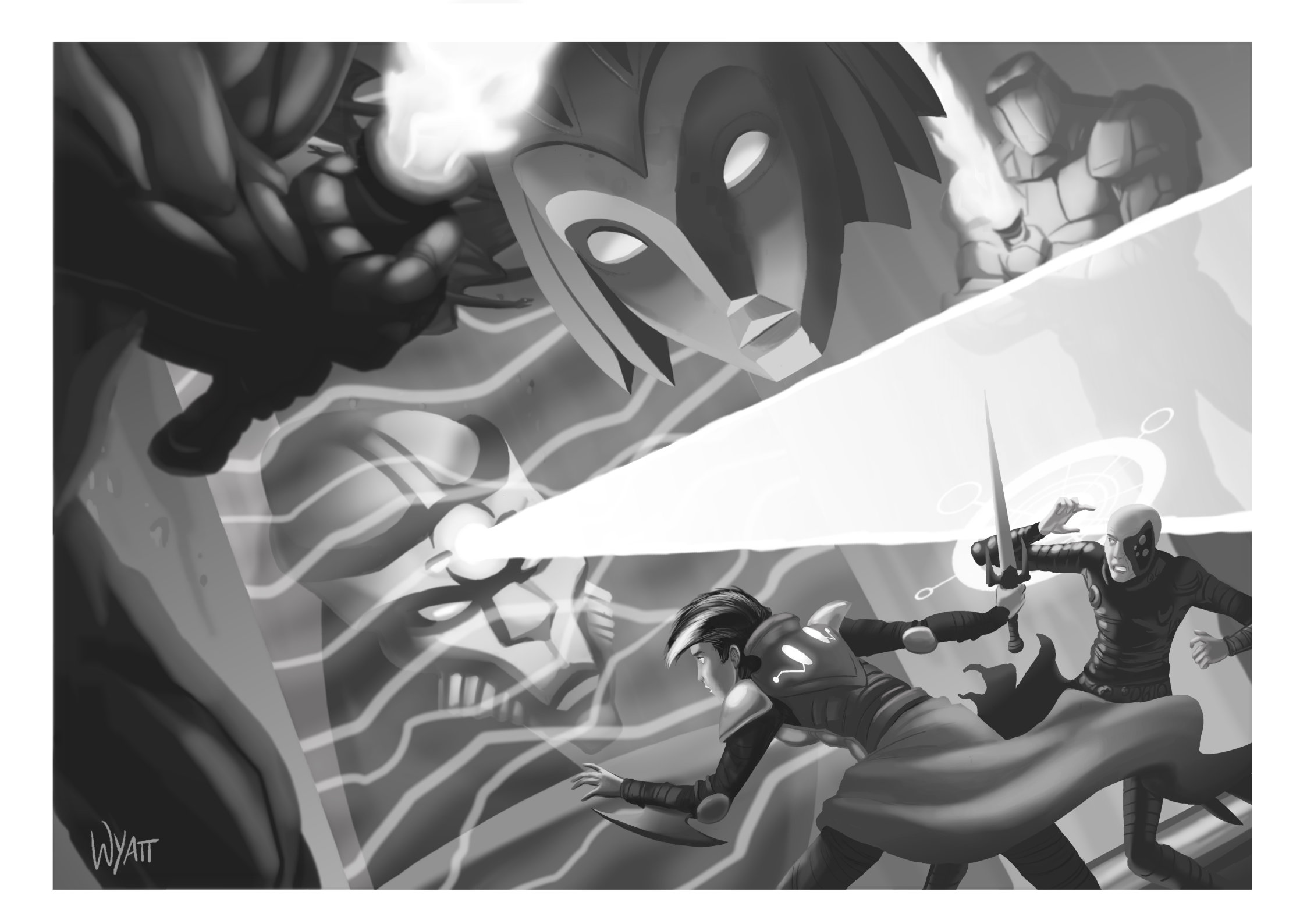
Fake Boss! The boss you planned for just went down, and then you have the *real* boss you just made up step in to continue the fight. To give the PCs their victory, the first boss drops an important item, something that has "made to fight the next-boss" written all over it. The anti-undead sword-cane of doom, the reveal-invisible dust of St. Silverius, the armor shattering bolt of victory...
Or the victory can be tactical. They have the "real-boss" at a disadvantage, and you give them a bonus to show them that. For example, you could give them advantage in 5E, increment the escalation die in 13th Age, or lower the difficulty for the PCs by 1 in Numenera.
Great, but what is this new boss? Who can make up a boss on the fly? Not me; even in a rules light game like Numenera, a boss should offer unique challenges.
Your choices are to find one quickly or make one quickly.
Find one from an adventure, bestiary, or other game supplement. That could work, but might take a while. What's the next boss you planned on using? Bring them on now? Or a weaker version of the next boss, just add a few weaknesses? This could be good foreshadowing. It helps if the two bosses are thematically related to each other. Cultists to the same dark god, dragons working for the same queen, and so on.
 Jack in the Box This is easy and can be a lot of fun for the players. They bring down the demon, and they look at each other. "That was easy." Too easy.
Make one or more creatures get back up after they fall dead. If they are not undead, have them rise as undead. Drop their offensive and defensive powers a notch, give them typical undead features, and resume the battle.
If they are undead, you could make it obvious that a "dark ray came from the unholy altar and when it touched the creature, it jumped up, ready to continue the battle." Now the PCs know they will have to stop the altar from doing that or this could go on and on. Since you just made this up, let whatever crazy idea they come up with work.
 I built a Jack in the Box into my 13th Age adventure The Tower in the Mist: Too Easy? Consider Fulvos coming back as a zombie mutant dragon the round after he goes down, with half hit points and -1 on all attacks, defenses, and damage.
13th Age is a high hit points game, so I cut the zombie Fulvos' hit points in half. He's up and undead, just long enough to scare the players and make the encounter fun. And who doesn't like a zombie mutant dragon?
Extending a Chase
Say a big exciting chase is over because your PCs caught the vampire with the horse/Mercedes/hover-bike in the first block, and you wanted it to drag the party to a major plot point that has to be outside town?
 You can make the chase continue, but you need to do so in a way you don't negate their victory.
If it's not the vampire itself that's the goal, you could have the creature throw the magic item/deed/holo-chip to a confederate who carries it away. The party still has a high value prisoner, who may have other valuables, and they can follow the confederate.
If the vampire is the goal, you could have it escape at great cost. The PCs might be annoyed they haven't caught it yet, but they've wounded it terribly, and made it drop something valuable. It's keeping its distance, but the PCs know they are winning.
Part II: When Social Scenes End Too Quickly
Druid Love! (5E Preview)
This 5E druid class customization is a preview from The Gods Have Spoken, a supplement for 5th edition Dungeons and Dragons. The work is still in progress, so may change before publication.
Druid: C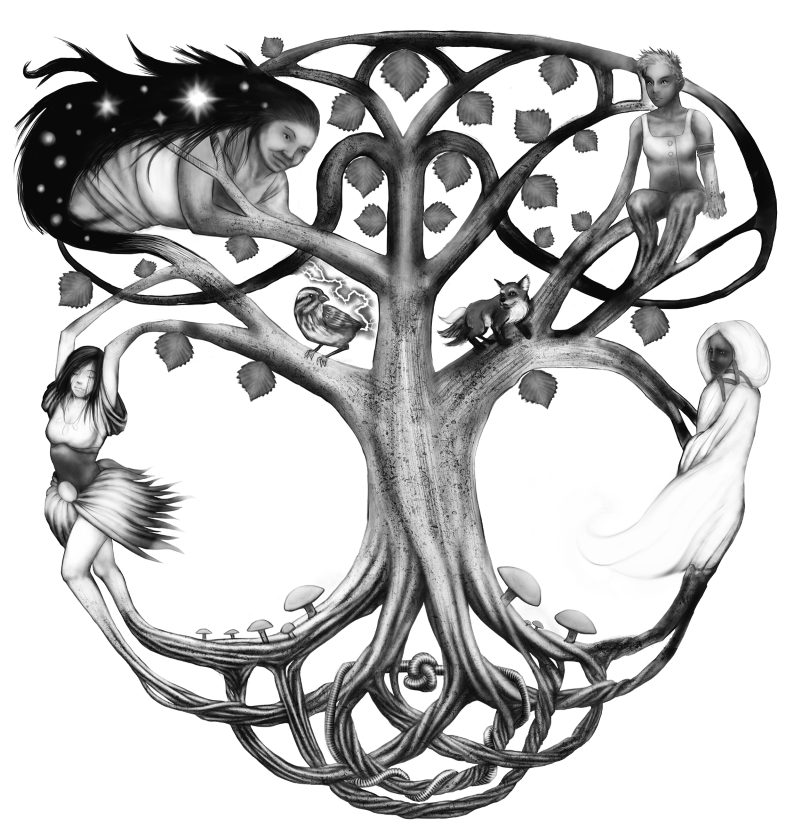 ircle of Life
Life is everywhere, and you are connected with all life on a mystical level. When the weave of life is cut, you use your connection to restore it and regenerate life.
Wild Healing
Starting at second level, your healing spells are more effective. Whenever you use a spell at 1st level or higher to restore hit points to a living creature, the creature regains an additional hit points equal to 2 + the spell’s level.
Change Regeneration
Starting at second level, when you use you Wild Shape ability you heal yourself a number of hit points equal to your constitution bonus + your level.
Life Circle Spells
At 3rd, 5th, 7th, and 9th levels you gain access to spells imbued with your devotion to the web of life.
Once you gain access to a circle spell, you always have it prepared, and it doesn’t count against the number of spells you can prepare each day. If you gain access to a spell that isn’t on the druid spell list, that spell becomes a druid spell for you.
| Druid Level | Circle Spells |
| 3rd | cure wounds, goodberry |
| 5th | lesser restoration, revivify |
| 7th | death ward, locate creature |
| 9th | mass cure wounds, reincarnate |
Protected Healer
Beginning at 6th level, healing spells you cast on others heal you as well. Whenever you use a spell at 1st level or higher to restore hit points to a creature other than you, you regain hit points equal to 2 + the spell’s level.
Healing Beast
Beast
Beginning at 10th level, you can cast any of your spells that restore hit points to a creature in any shape you take on using Wild Shape. You can perform the somatic and verbal components of a druid spell while in Beast Shape, but you are not able to provide the material components.
Enhanced Regeneration
Beginning at 14th level, you always have regenerate prepared, and it doesn’t count against the number of spells you can prepare each day. When you cast regenerate, the target regains 4d12 + 20 hit points instead of 4d8 + 15. For the duration of the spell, the target regains 2 hit points per round instead of 1.
When you cast regenerate, you get the spell slot you used back at the end of your next short or long rest.
Surprise!
Almost every roleplaying game that supports combat scenes has a rule for surprise. The surprised side gets some disadvantage, usually for the first round. Today I’m talking about when the player characters get surprised by the GM’s characters (NPCs or GMCs depending on your system), not the other way around.
 Why bother with surprise? How does it translate into fun at your table?
- The default kind of fun is a more challenging combat. This is a great way to stress the PCs, and is particularly fun if the players are getting just a little too cocky. How long has it been since the players sweated the outcome of a combat? Standing there with targets on their faces while the opposition gets free shots is sure to get their attention.
- Surprise can help in world building. Maybe here in drow territory, drow have ambush points set up all over the place. You can tilt the odds of whatever surprise mechanics your system has to make it favor the drow in these encounters. As the players venture deep underground, drow ambushes become part of their world. “We go north, we need to be extra careful for drow surprises.”
- Surprise can help in shared world building. If the dice dictate the PCs are surprised, you can ask the players “Why are you surprised?” They can come up with all sorts of explanations you would never think of: “I’m so tired. Henrik’s ghost stories didn’t let me sleep last night.”
- Surprise can help build story. An antagonist might run ahead of the PCs, helping potential adversaries set up ambushes. Maybe it’s because they feel the PCs have cheated them. The GM can leave clues such as “this is the third ambush in a row that has the hallmarks of a Dr. Wild setup. The doctor sure seems to have it in for you.”
- Avoiding surprise by roleplaying can be rewarding. The players may meet someone who knows about the ambush ahead. If the players make friends, they find out about it. If the players are all murder-hobos, they’ll never learn that information.
- Avoiding surprise can be a good use of resources. Maybe use of a magic spell can reveal the ambush ahead. In a game like 13th Age, spending an icon boon could have icon send a message about the ambush. In a 5E type of game, a PC that is part of a faction may get the info as a faction favore. In a GUMSHOE game, players can spend their Sense Trouble points. The players can feel very good that they avoided walking into that trap, by spending a resource wisely to avoid it.
- In some systems, surprising the PCs can end up giving them resources. In Numenera and other Cypher System games, the GM can just declare the party is surprised as part of a group-wide GM Intrusion. Each PC then gets an experience point.
How have you used combat surprises to make your game more fun?
Inspired Inspiration in 5E
 Inspiration is one of my favorite parts of Fifth Edition Dungeons and Dragons. It works great as written, but I'm going to steal an idea from Lex Starwalker and show how to use inspiration for group storytelling.
Normally, you can spend inspiration to gain advantage to an attack, saving throw, or ability check. That still works.
Inspiration is one of my favorite parts of Fifth Edition Dungeons and Dragons. It works great as written, but I'm going to steal an idea from Lex Starwalker and show how to use inspiration for group storytelling.
Normally, you can spend inspiration to gain advantage to an attack, saving throw, or ability check. That still works.
However, you can also spend inspiration to make up something in the game world. It might be a detail that works with your background or skills. It could be a clue, a secret passage, or a one use item like a level-appropriate potion or a scroll.
For example, Qua the cleric is down on spells, but has inspiration. "I'm spending my inspiration to search that pile of skulls and find a potion of greater healing."
Or Kay the paladin is desperate to find the Lady Vonya. "I spend my inspiration and look at the track and find a clue." At this point, as the GM, you improvise a clue, "It's a scrap of parchment. In Lady Vonya's hand it reads 'we leave the Black Tower, our captors driving us west. Ahead lie the glass caverns. If any shall find this, send help.'"
Or Troik the bard just want another spotlight moment. "I'm spending my inspiration to have the farmers in from their fields for a local holiday. The village is full of people in good cheer. If only a very handsome someone just happened by to provide it. I tune up my lute."
Obviously, it's up to the GM to stop player abuse. Advantage is a great boon, but not a wish (or even a fireball). Spending inspiration might push over an apple cart during a chase scene, but will not push a combatant off a cliff.
Ask yourself:
- Is it overpowered, like the effects of a powerful spell? Or something small, along the lines of a cantrip?
- Does it break the story? If you are just starting a three session murder mystery, inspiration can't give away the culprit. It could point to information "Barkeep Barlo hears all sorts of things..."
- Does it take the fun out of the adventure? Some players try to play it safe all the time. And you want thrills, so don't let the players nurf the exciting bits.
- Does it open up a new fun avenue for adventure? Don't be afraid to improvise and go with player ideas that make the game fun. Sure, you had your own fun encounter directly ahead of them, but if they say they found a secret passage, improvise something fun in the passage. If they never see your planned encounter, you can reuse it in a future adventure.
 The cool thing about this for players is that it gives them a chance to improvise outside of their character powers. They get to do a little shared world-building.
And for the GM, it's another way for your players to surprise you, forcing you to improvise and keep the fun going. I don't know about you, but I like to be surprised by my players.
Have you tried something like this? How does it work for you?
Don’t forget to visit our 5E Kickstarter: The Gods Have Spoken.
Travel Montages in 5E
OK, you're the GM, and it's time for your players to move from A to B. It might take hours, days, or even months in game time, but you don't want to roleplay every single incident that takes place on the road. "You see a puddle in the road, what do you do?" "Um, we walk around it?"
 You can handwave the entire journey, and just cut to "You arrive in Plotville, everyone seems tense."
However, that makes it feel like teleporting. Which is great if the party actually teleports, but if you want to make travel memorable, yet not take more than a few minutes at the table, you can use a travel montage.
A montage in a roleplaying game is when you go around the table, and everyone makes something up in a collaborative fashion. It's often a time to set the dice aside and show how cool the characters are without worrying about initiative order and skill checks.
(I first ran into montages in the 13th Age roleplaying game. And I put a travel montage into The Sun Below: Sleeping Lady, a Numenera adventure. The concept is system independent.)
Here's how it works. You (as the GM), point at one player. I like to pick someone good at improvisation. "Stace, describe a problem that stops the group's travel. It can be anything, a flood, robbers, a three headed giant, just come up with a problem, not the solution. Your party will get by, because" (then point to the next person sitting clockwise at the table) "Jer will solve it. Don't say how."
After the problem has been described, turn to the next character. "Jer, how do you get the party past this obstacle? You can use your background, your class powers (which won't be used up), or anything. This is your time to shine. Jer, what do you do?"
We allow pretty much any solution to work. We do steer the player away from things that break the mood we're going for. Silly is great in some games, not in others. Remember the player doesn't have to roll dice, so talking their way past robbers, jumping over a chasm, building a raft, and so on, just works.
Option: Inspiration
At our table, we'll give each player inspiration once they tell us how they solved the problem. Some GMs use less inspiration than we do, so if this feels excessive in your game, just ignore it.
Back to the Montage
Once Jer has solved the problem, we'll ask him to come up with a new problem for the next character to solve, going around the table clockwise. Everyone makes up a problem, and everyone makes up a solution. Once the first player solves her problem, the montage is done. Now, instead of three sessions micro-managing the travel, or handwaving the entire journey, the players have a memorable experience, each character will shine, and only a few minutes have past at the table.
Don't forget to visit our 5E Kickstarter: The Gods Have Spoken.
The Gods Have Spoken, Kickstarting January 1st!
Kickstarting New Years Day! New gods for your 5E worlds, and new options for 5E players.
Twenty eight new fantasy gods arranged in three new Pantheons for your 5E game. Gods with passions, backstories, and agendas. So much more than a list of names and domains.
New domains and class features that work with these new gods, bringing new options to clerics, druids, paladins, and rangers.
From Dread Unicorn Games
Roll20Con!
Roll20Con is upon us! June 3rd, 24 hours of non-stop gaming. 5E, 13th Age, Numenera, and more! The first game convention held on Roll20. Watch, game, and help support Cybersmile, the international non-profit supporting victims of cyberbullying.

I'm running ColdSnap a 13th Age adventure at 1:30 (after the 13th Age WolfSamurai Twitch Actual Play). Join in!
More information from Darcy Ross on Roll20Con can be found on GnomeStew.
Roll 20 Curious? Check out our 2 part intro.
Game Master's Journey 99 - Stealing from 13th Age with John Marvin
Now you too can steal cool ideas from the 13th Age Roleplaying Game. Give it a listen!

What did you think? Did a miss a steal you think would be great?
Stealing from the 13th Age Roleplaying Game lets you also steal from Gods and Icons, Kickstarting now.
Go forth and steal!
Gods and Icons Art in Progress
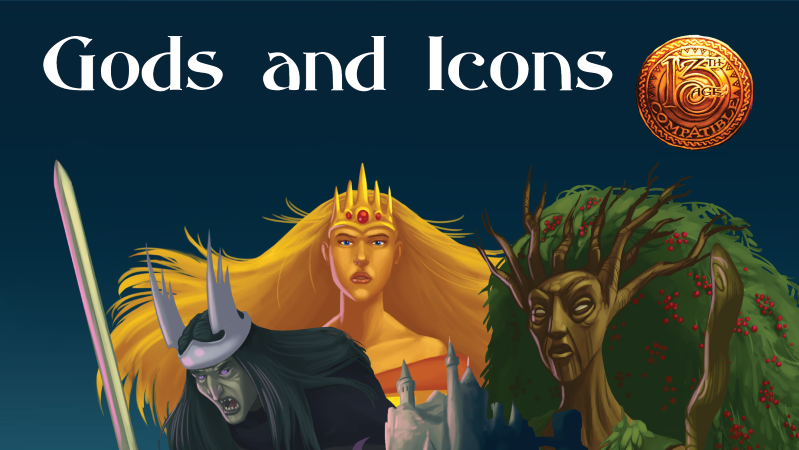
Artist Justin Wyatt (cover artist for The Sun Below: Sleeping Lady) has sent in some sketches for Gods and Icons. I took his rough for the cover and slapped a title and 13th Age Roleplaying Game compatibility license on it. Just to get a feel for what goes where. The final cover will be in color.

We'll reuse the art for the three gods above the castle in The Gods Have Spoken: Deities and Domains, as they share the same pantheons.
Of course we'll want more art, but that's what Kickstarter stretch goals are for.
Can I See Myself in your RPG Book?
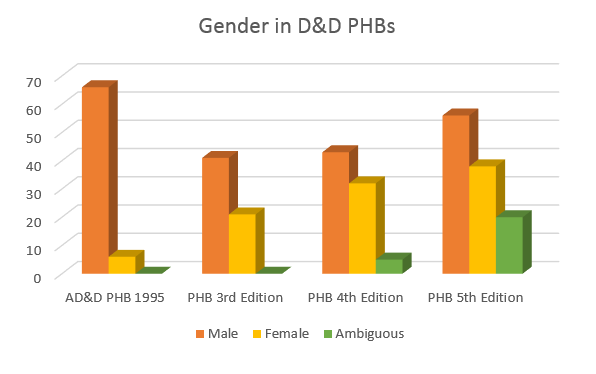
 As our hobby grows, I keep running into GMs and players who aren't the stereotypical gamer of the 1970s. Women, people of color, gays, trans, and even gray-haired oldies.
Which is great! More people to play with, to have fun with, to make friends with.
As our hobby grows, I keep running into GMs and players who aren't the stereotypical gamer of the 1970s. Women, people of color, gays, trans, and even gray-haired oldies.
Which is great! More people to play with, to have fun with, to make friends with.
I have the original white box D&D set, and have been playing since the 70s. When a new player picks up a gaming book, do they see anyone that looks like their family? Images that include them? Or is there that barrier of "this is not for you."
Well, things are changing. And the lead author on The Gods Have Spoken: Deities and Domains, Vanessa Rose Phin, looks at the new 5E PHB to look at that change. Take a look on her blog. (Vanessa's also a major contributor to Gods and Icons.)
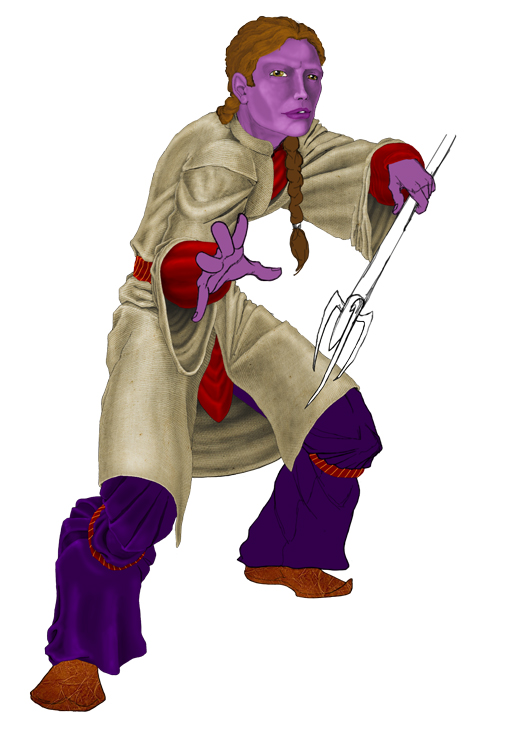 Of course this made me look at Dread Unicorn titles. Purple hermaphrodites are well represented, thank you very much. Numenera takes you out of the stereotypical RPG world in so many ways, art included. Our next titles are more in standard fantasy land, so we'll see what we can do there to make people feel like this is a game for them.
Some people have told me that if we make an effort to include more kinds of people, we could loose straight white males. Really? I think that's selling straight white males short. What if my sales are as flat as Star Wars: The Force Awakens?
Horrors!
Squeezing Deities into Your Adventure
We're thinking a lot about the gods in fantasy roleplaying games as we work on Gods and Icons and The Gods Have Spoken. Here Vanessa gives advice on adding a pantheon to your game, depending on what kind of GM you are. You’re about to begin a new game. You’ve spent time on plot, NPCs, maps. You've thought of absolutely everything, and it’s all gleeful daggers and mayhem until someone says—
“I wanna play a cleric.”
Ruh roh.
If you’re here, one of your players wants a religious class, and your adventure doesn’t have gods. Or you’re trying to encourage one of your players to play a religious class so that the party has a healer. So you've grabbed a supplement or gone to a website or rifled through the PHB and found a pantheon. Or your player has handed you one god or many, and you promised to work them in.
Problem is, the gods? They weren't in your world to begin with, and they don’t really fit. Or you might like a pantheon but have no idea how to integrate them into your world. You know that the religious-class player will want to have a sense of faith in the game—a cleric without a big religious moment is like a fighter without a battle. How do you squeeze a pantheon into your homebrew so that PCs have fun but you don’t waste a lot of time?
Easy. And it all depends on your GM style.
Map Maker
You always have a map for your game. It’s the first thing you build, and the chief way you think about your world. Boundaries, cultures, cities, terrain, and movement over a large area.
Large scale: Religious practices reflect the land in which the people live. Pick a place that is similar to the original terrain of the pantheon and make it the faith of the people there. Taiga for Norse gods, rainforest for Maya, rocky chaparral for Greek, etc. If there isn’t a terrain that satisfies you on the map, every map has an edge: add something beyond it. And if you’re stuck—if you’re using seafaring gods in a Dark Sun world—just remember that historically speaking, religious practices change over time. What if you landed a sea people on a desert world? How would they change their rituals to match their new territory?
Small scale: Stick a temple on your map. The faith may have been widespread, but now it’s a tiny vestige with limited influence. Or it’s a small cult that has broken off from a larger religion. The cleric has left either to proselytize or bring back an artifact/treasure to restore their former glory.
NPC Builder
You have a list of NPCs that makes the Monstrous Manual look tiny. When faced with a gaming problem, you ask yourself, “What would [NPC] do?” Their individual motivations drive the world.
Large scale: Instead of thinking about the pantheon as an entity, think of the pantheon as a group of NPCs. Let's say this pantheon encounters your world. What do they want? How would they change the world, and be changed by it? Caveat: resist having the avatars get too personal with the party—nothing spells frustrating (or Iliad) like having your level 1 PCs constantly trapped into acting for the gods.
Small scale: Look at your NPC list. Make sure some NPCs are familiar with your cleric’s religion. They don’t have to be devout: heck, maybe they hate the faith. They just need to understand the symbols your cleric is wearing and respond to them.
Master Plotter
You’ve got the story down to the last detail. Random encounters? Ha! There is no random in your land. Your plot is epic and world-spanning, and you can’t wait to see how the players interact with it.
Large scale: Tweak your world plot. It doesn’t have to be huge. Perhaps the main villain is also of the cleric’s faith (awkward!) or is undead, giving the cleric some extra power in combat. Maybe the artifact of power defeating the evil wizard can only be found and activated by someone who follows your cleric’s god. Perhaps your main antagonist has a paladin minion who hates your paladin’s guts. Or the world tree is dying, and only a druid can research and perform the spell that will protect it from a horde of dire aphids.
Small scale: Create an encounter that requires the player-character’s faith. It can be as simple as a knowledge check or as complex as encountering an undead cult with a thirst for the blood of the PC’s religious brethren.
Player Responder
You see yourself as the person who helps your players create the story they want. If someone wants to explore that rocky crag and you didn’t prepare for it, you wing it. You spend a lot of time thinking of encounters to showcase player skills or backstories.
Large scale: If you haven’t already, consider asking your players to take a gamer motivation quiz: https://apps.quanticfoundry.com/lab/10 Look at the data. Do you have someone who loves to get powerful, to “win” the game? Create a priesthood with ranks determined by deeds. How about someone who loves combat? Generate gods and NPCs in opposition to your cleric’s faith, so the smiting may commence! They love to go on collection quests? Time to prepare some god-blessed artifacts. Someone who loves to roleplay? Make sure the cleric’s faith isn’t obscure: perhaps the people respect and defend priests of the faith, or perhaps the ruling class has mandated worship and the people are in revolt.
Small scale: Why do the work yourself? Give the player the basics of your world and let the player create the order from which they come.
Just Remember: Pantheons are Putty
Nothing is carved in stone (as deep as a spear is long on the trunk of the world ash tree). If there’s anything history teaches us, it’s that religions change and people’s ways of conceiving gods differ. The same Artemis who was worshipped as a javelin-thrower in Sparta was conflated with the goddess of magic in Athens. A Brauron cult had girls dress up as bears to appease Artemis the plague-bringer; in other places, Artemis was considered a protective goddess of childbirth. And while many knew her as a virgin goddess, Artemis was also worshipped as a mother goddess in Ephesus.
Moral of the story: You want to change the gods to suit your world? Do it. Humans have been doing it for millennia as it is.
Spotlight Cards
 Index cards are a GM's best friend. Remember the Hipster PDA?
I hate forgetting to give each player time in the spotlight. Therefore, I love having an index card for each player. I shuffle them before the game, and then flip the deck so I can see the top PC card.
Index cards are a GM's best friend. Remember the Hipster PDA?
I hate forgetting to give each player time in the spotlight. Therefore, I love having an index card for each player. I shuffle them before the game, and then flip the deck so I can see the top PC card.
On the left I put the information from the game system I need to be able to improv, things from the player's character sheet. I don't need numbers, just the background bits that help in roleplaying.
On the right side of the card I put the stuff the player loves to do in game with this PC. Play with his pet bear, drink at her regular watering hole, flirt with their favorite NPC, and so on.
I finish the left side with a question to myself. Has this PC gotten the spotlight yet? If not, I give them the spotlight ASAP, then put this card on the bottom of the deck and make sure the next PC gets a spotlight moment.
What's a spotlight moment? When you let the PC shine, make them the star of a scene. If they have a favorite action, like pick pocketing, flirting, or flying, I let them go for it. Action scene or pure roleplay, I make sure the character gets center stage.
Here's some examples. You can probably improve on these because no one knows your players better than you.
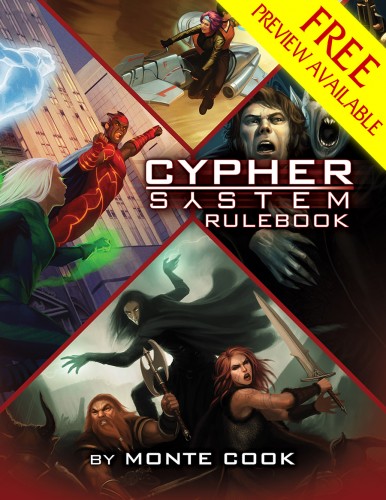 This is the Cypher System card. I have another question to myself: Has the PC had a GMI (Game Master Intrusion) yet? I'm talking a GM Intrustion that gives them experience points. The card helps me remember. GM Instrusions are fun, and players love the XP that comes with them.

 This is the 13th Age card. When I'm working on a spotlight moment, I need the PC's One Unique Thing, their Icon Relationships, and their Backgrounds. Under the notes I might include favorite icon spirits and agents from past icon relationship rolls.

 Here's the 5E card. What's important for spotlighting a 5E character might include the PC's background, trait, ideal, bond, and flaw.

 Here's a generic GUMSHOE card. Drive and Occupation give me a handle for spotlight scenes.
I thought about doing a card for each GUMSHOE game, but realistically, I'd do them as needed for the games I'm running. On the right side I'd definitely list any sources of stability if they are used in this system, species for Ashen Stars, and so on...

It's easy enough to make your own for your favorite game system. They help me, maybe they'll help you.
Happy New Year from Dread Unicorn Games!!!
Dread Unicorn Games in 2016

Are you going to OrcaCon? I am, please say hi! I'll be running a few 13th Age games for Fire Opal and attending as much gaming goodness as I can.
Our first products are sister titles: Gods and Icons for 13th Age and The Gods Have Spoken: Deities and Domains for 5E. Why two? It turns out most of the writing and art will work in both products, so why not?
Here's where we are now with Gods and Icons and The Gods Have Spoken:
- The writing is 75.09% done (+ or -). Vanessa has done a great job with three pantheons, and I'm excited to plug in their relationship to the icons for Gods and Icons. There will be holy swords for paladins and religious items for all the divine classes.
- I've been playtesting Gods and Icons for a few months now. Soon I'll give it to the real playtesters to try out.
- We're going to Kickstart the gods! You'll be able to pick either or both titles as your rewards.
- Since this is our first kickstarter, we're going to be cautious. We don't want to promise what we can't deliver! For example, we're not going to do our own printing and shipping. For physical copies, we'll use Drive Thru's Print on Demand and let them do the shipping.
- But we will have lots of great stretch goals: more content and more art!
- Speaking of art, we have a great cover artist! Justin Wyatt has agreed to do our cover art, which will include three gods and three icons. Yay! Gaming art fans will recognize Justin from The Sun Below: City on the Edge where he did interior art and The Sun Below: Sleeping Lady, where he did the amazing cover and interior art.
- Some of Justin's work:
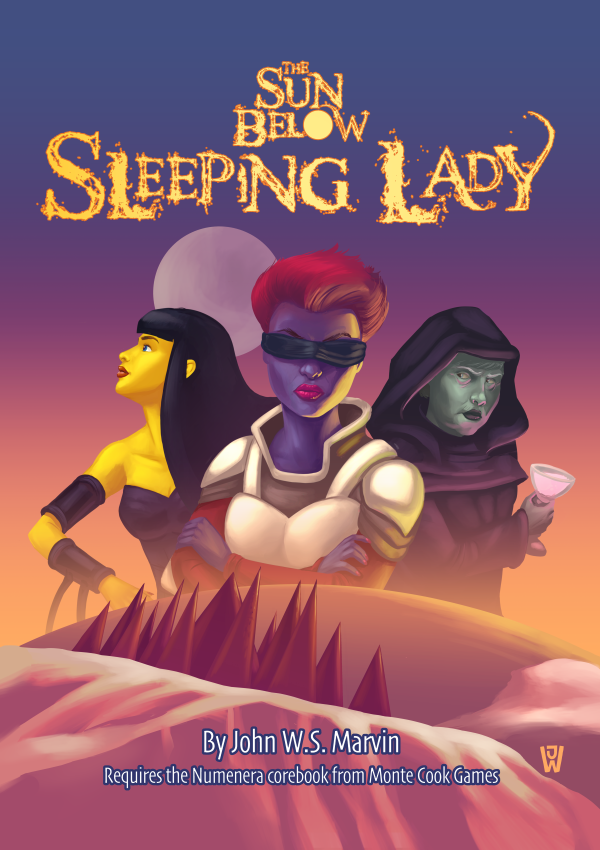
After the Kickstarter, our next title will be a return to Numenera with another adventure: The Sun Below: That's How the Light Gets In. There the players will confront what happens to the underground world when The Sun Below starts to fail!
After that? We're not telling! There is so much going on in roleplaying right now. We've got a lot of great ideas, but first, let's get these three products out the door.
Happy New Year!
John